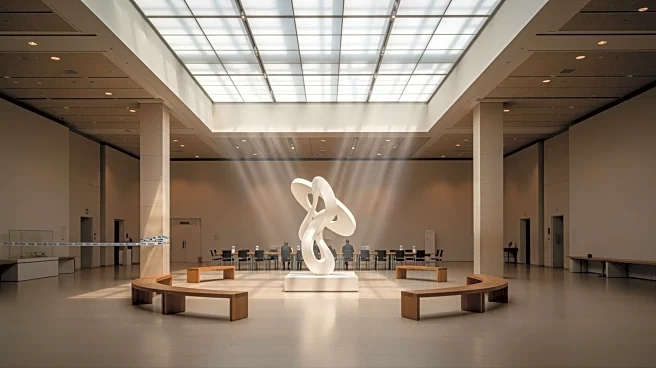



Art museums are often perceived as places where visual art is displayed. However, their role extends far beyond exhibitions. They serve as cultural hubs, hosting a variety of activities that enrich community life and foster cultural exchange. This article explores how art museums have evolved to become centers for lectures, performances, and other artistic endeavors.
Multifaceted Venues
While art museums primarily focus on visual art, they often host a range of cultural
exchanges and artistic activities. These include lectures, jewelry exhibitions, performance arts, music concerts, and poetry readings. By offering diverse programming, museums attract a wide audience and provide opportunities for cultural engagement beyond traditional art viewing.
Temporary exhibitions are a staple of art museums, often featuring items on loan from other collections. These exhibitions allow museums to showcase a variety of works and themes, keeping their offerings fresh and engaging. Themed exhibitions can highlight specific artists, movements, or cultural phenomena, providing visitors with new perspectives and insights.
Community Engagement
Art museums play a crucial role in community engagement, offering programs that cater to diverse audiences. They often collaborate with local artists and organizations to create events that resonate with the community. This collaboration fosters a sense of ownership and pride, encouraging community members to participate in cultural activities.
Museums also serve as educational centers, providing resources for schools and educators. They offer guided tours, workshops, and educational materials that align with academic curricula. By integrating art into education, museums help cultivate an appreciation for culture and creativity among students.
Expanding Accessibility
Modern art museums strive to be accessible to all, regardless of social class or background. They offer free or discounted admission, ensuring that financial barriers do not prevent people from experiencing art. Museums also provide online resources, allowing individuals to explore collections and exhibitions from anywhere in the world.
By expanding accessibility, art museums contribute to cultural democratization, making art available to a broader audience. This inclusivity reflects a societal shift towards valuing diversity and ensuring that cultural experiences are open to everyone.
Art museums have evolved to become more than just exhibition spaces. They are cultural hubs that offer a wide range of activities, fostering community engagement and cultural exchange. By expanding their role, museums enrich community life and ensure that art is accessible to all.