


Household air pollution is a global health crisis, affecting billions of people worldwide. The reliance on biomass fuels for cooking and heating in developing countries leads to severe health and environmental consequences. This article examines the global burden of household air pollution, highlighting regional disparities and the need for international action.
Regional Disparities
Household air pollution disproportionately affects low and middle-income countries, where
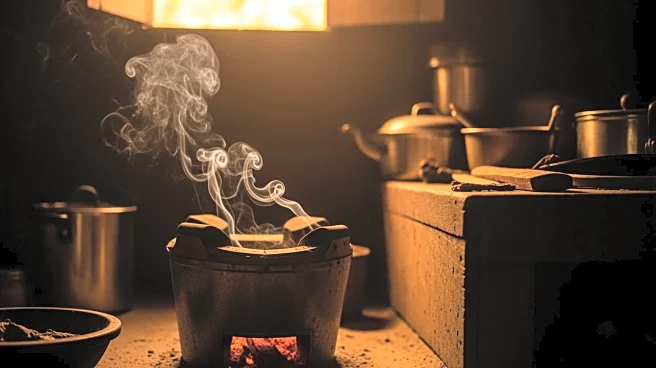
access to clean cooking technologies is limited. In these regions, approximately three billion people rely on biomass fuels such as wood, charcoal, and dung for cooking. The lack of proper ventilation in homes exacerbates the problem, leading to high levels of indoor air pollution.
The South East Asian and Western Pacific regions bear the highest burden, with millions of deaths attributed to household air pollution. Africa also faces significant challenges, with nearly 600,000 deaths annually due to indoor pollution. In contrast, high-income countries experience far fewer deaths, highlighting the stark disparities in exposure and health outcomes.
Health and Environmental Impact
The health impacts of household air pollution are severe, contributing to respiratory diseases, cardiovascular conditions, and premature deaths. The World Health Organization estimates that cooking-related pollution causes 3.8 million deaths annually. Women and children are particularly vulnerable, as they spend more time near cooking fires and are exposed to higher levels of pollutants.
In addition to health effects, household air pollution contributes to environmental degradation. The inefficient burning of biomass fuels leads to deforestation and the release of black carbon, a potent climate pollutant. This not only affects local ecosystems but also contributes to global climate change.
International Efforts and Solutions
Addressing the global burden of household air pollution requires coordinated international efforts. The promotion of clean cooking technologies, such as improved cookstoves and alternative fuels, is essential to reducing pollution and improving health outcomes. However, the transition to cleaner technologies is slow, and many households continue to rely on traditional methods.
International organizations, governments, and non-governmental organizations must work together to provide access to affordable clean cooking solutions. This includes investing in infrastructure, supporting research and development of new technologies, and implementing policies that promote clean energy. By addressing the root causes of household air pollution, the global community can reduce health disparities and protect the environment.
In conclusion, household air pollution is a significant global health issue that requires urgent attention. By understanding regional disparities and promoting international cooperation, we can work towards a future where clean cooking is accessible to all.