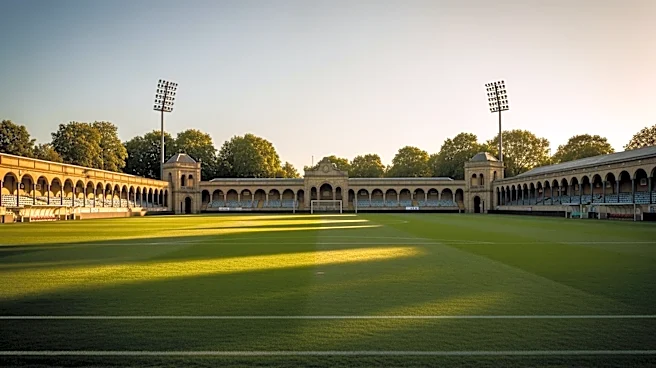






Estadio Gran Parque Central is not just a stadium; it is a cultural and sporting icon in Uruguay. Located in Montevideo, it has played a pivotal role in the country's football history and has become a symbol of national pride. This article explores the cultural and sporting impact of the stadium, highlighting its contributions to Uruguay's rich football heritage.
A Symbol of National Pride
The Estadio Gran Parque Central holds a special place in the hearts of Uruguayans. It
is not only the oldest stadium in the Americas but also a site of historical significance. Before it became a sports venue, the location was known as "Quinta de la Paraguaya," where Uruguay's national hero, José Artigas, was named the leader of the Uruguayan people in 1811. This historical connection adds to the stadium's cultural importance, making it a symbol of national pride.
The stadium's association with the Club Nacional de Football further cements its cultural significance. As the home ground for Nacional, one of Uruguay's most successful football clubs, the stadium has witnessed countless victories and memorable moments. It is a place where fans gather to celebrate their team's achievements and share in the collective joy of football.
Hosting Historic Events
Estadio Gran Parque Central has been the venue for numerous historic events, both in football and other sports. It was the main sports arena in Uruguay until the construction of the Estadio Centenario in 1930. During this time, it hosted the Uruguay national football team and was the site of important international tournaments, such as the 1923 and 1924 South American Championships.
The stadium's role in the 1930 FIFA World Cup is perhaps its most famous contribution to sporting history. Hosting the opening match of the tournament, it became a part of football folklore. This event, along with other international competitions held at the stadium, has solidified its reputation as a key player in the world of sports.
A Modern Sporting Venue
In recent years, Estadio Gran Parque Central has undergone significant renovations to maintain its status as a modern sporting venue. The 2005 remodel, driven by the efforts of Nacional fans, expanded the stadium's capacity and upgraded its facilities to meet international standards. These improvements have allowed the stadium to host major events, such as the 2015 South American U-20 Championship and the 2021 Women's Copa Libertadores final.
The stadium's modern amenities, combined with its rich history, make it a sought-after venue for both sporting and cultural events. It continues to be a place where history is made, and its legacy as a cultural and sporting icon endures.