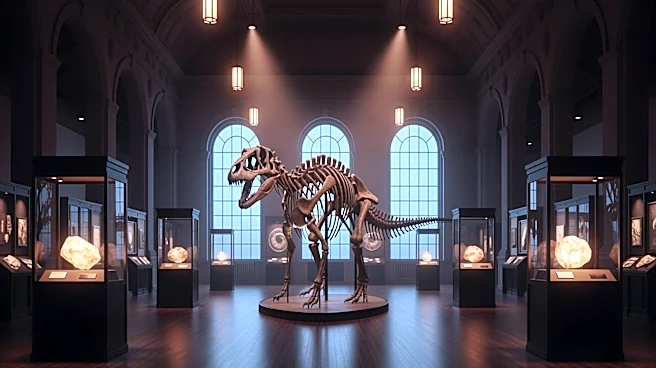







The American Museum of Natural History, located in New York City, is one of the largest and most-visited museums in the world. Established in 1869, it is a hub of scientific exploration and education, attracting about 5 million visitors annually. The museum is renowned for its vast collection of specimens and artifacts, as well as its commitment to research and education in various scientific fields.
The Museum's Structure and Facilities
The American Museum of Natural History is an impressive
complex made up of 25 interconnected buildings situated in Theodore Roosevelt Park on the Upper West Side of Manhattan. This architectural marvel houses 46 exhibition halls, numerous laboratories, and a research library. The museum's extensive collection includes over 34 million specimens and artifacts, making it a treasure trove for anyone interested in natural history.
The museum's facilities are designed to support both public education and scientific research. With more than 200 scientists working in fields such as biology, paleontology, earth science, astrophysics, and anthropology, the museum is a leading center for scientific inquiry. Its graduate school offers doctorate degrees in biology and master's degrees in education, further cementing its role as an educational institution.
Educational Programs and Public Engagement
Education is a core mission of the American Museum of Natural History. The museum offers a wide range of educational programs for children and adults, including specialized programs for teachers. These initiatives aim to foster a deeper understanding of science and the natural world among the general public.
The museum's educational offerings are diverse and engaging, designed to cater to different age groups and interests. From interactive exhibits to hands-on workshops, the museum provides opportunities for visitors to learn about the natural world in a dynamic and immersive environment. This commitment to education ensures that the museum remains a vital resource for both local communities and visitors from around the world.
Notable Figures and Contributions
Throughout its history, the American Museum of Natural History has been associated with several prominent figures in the field of science. Notable individuals who have worked at the museum include Teddy Roosevelt, Franz Boas, Margaret Mead, and Neil DeGrasse Tyson. These figures have contributed significantly to the museum's legacy of scientific excellence and public education.
The museum's influence extends beyond its walls, impacting the broader scientific community and society at large. Through its research, educational programs, and public engagement efforts, the American Museum of Natural History continues to inspire curiosity and foster a greater appreciation for the natural world.