



Fur is a defining characteristic of mammals, serving various biological and functional purposes. It is composed of different types of hair, each contributing to the overall function of the fur. This article delves into the science behind fur, examining its structure and the roles it plays in the lives of mammals.
The Structure of Fur
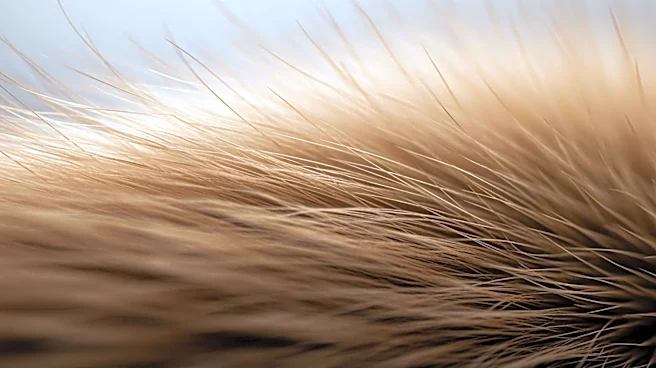
Fur consists of a combination of oily guard hair on top and thick underfur beneath. The guard hair serves as a protective layer, keeping
moisture from reaching the skin, while the underfur acts as an insulating blanket, maintaining the animal's body temperature. This dual-layer structure is crucial for thermoregulation, allowing mammals to survive in diverse climates.
Different types of hair contribute to the functionality of fur. Vibrissae, or sensory hairs, are commonly known as whiskers and play a role in sensing the environment. Pelage, which includes guard hairs, underfur, and awn hair, provides protection and insulation. Some mammals have specialized hairs, such as spines for defense or bristles for visual signals.
The Function of Fur in Mammals
The primary function of fur is thermoregulation, helping mammals maintain a stable body temperature. The denseness of fur can increase an animal's insulation value, with arctic mammals having particularly dense fur to survive extreme cold. For example, the muskox has long guard hairs and dense underfur, creating an airtight coat that allows it to endure temperatures as low as -40 °C.
Fur also serves other purposes, such as camouflage, sensory input, and protection. The coloration of fur can help mammals blend into their environment, avoiding predators or sneaking up on prey. In some species, fur coloration is used for communication or sexual selection, with differences in coat color indicating nutrition and hormone levels.
Adaptations and Variations in Fur
Mammals have evolved various adaptations in their fur to suit their environments. Desert mammals, like camels, have dense fur that prevents solar heat from reaching their skin, keeping them cool. Aquatic mammals, on the other hand, trap air in their fur to conserve heat and keep their skin dry.
Some mammals have reduced amounts of fur, such as the naked mole-rat or hairless dogs. These adaptations may be due to specific environmental pressures or evolutionary paths. Despite these variations, fur remains a vital component of mammalian biology, playing a crucial role in their survival and adaptation to different habitats.