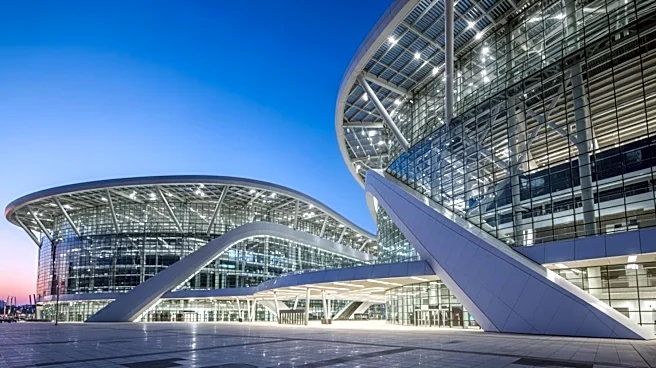








The Seoul World Cup Stadium, also known as Sangam Stadium, is not just a venue for football matches; it is an architectural masterpiece. Located in Seoul, South Korea, this stadium was built for the 2002 FIFA World Cup and has since become a symbol of modern design blended with traditional Korean elements. Its unique features make it a standout structure in the world of sports architecture.
A Blend of Tradition and Modernity
The design of the Seoul World Cup Stadium is a fascinating
blend of traditional Korean culture and modern architectural techniques. The roof of the stadium is shaped like a traditional Korean kite, a design choice that pays homage to the country's cultural heritage. This roof is not only aesthetically pleasing but also functional, as it covers 90% of the stadium's seats, providing shelter to spectators.
The materials used in the construction of the roof further enhance its traditional appeal. The structure is clad with fiberglass fabric and polycarbonate glazing, designed to resemble hanji, which is traditional Korean paper. This choice of materials not only adds to the visual appeal of the stadium but also ensures durability and functionality.
Innovative Structural Features
The stadium's roof is supported by 16 masts and stands 50 meters high, showcasing a feat of engineering that combines strength with elegance. The design ensures that the roof is both stable and visually striking, making it a key feature of the stadium's architecture.
At night, the stadium transforms into a glowing beacon, thanks to the lighting installed within the roof structure. This lighting creates an effect similar to that of a traditional Korean lamp, further enhancing the cultural symbolism of the stadium. This feature not only adds to the aesthetic appeal but also makes the stadium a landmark in Seoul's skyline.
A Venue for Iconic Events
Since its opening in 2001, the Seoul World Cup Stadium has hosted numerous significant events, including matches during the 2002 FIFA World Cup. Its design and facilities have made it a preferred venue for both national and international events. The stadium's capacity of 66,704 seats, including VIP and press areas, ensures that it can accommodate large crowds, making it a central hub for sports and entertainment in South Korea.
The Seoul World Cup Stadium stands as a testament to the successful integration of cultural heritage and modern design. Its unique architectural features and its role as a venue for major events have cemented its status as an iconic structure in the world of sports architecture.