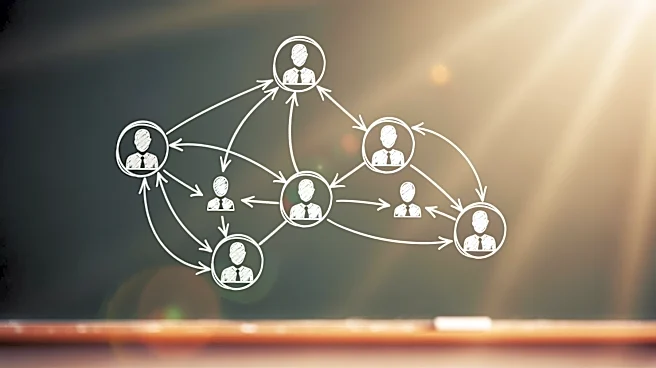







Prosocial behavior encompasses actions intended to benefit others, such as helping, sharing, and cooperating. While these behaviors are often seen as altruistic, the motivations behind them can be complex and varied. Understanding these motivations is crucial for comprehending why individuals choose to act in ways that benefit others, sometimes at a cost to themselves.
Altruism and Reciprocity
One of the primary motivations for prosocial behavior is altruism, which involves
helping others without expecting anything in return. Altruism is often driven by empathy, where individuals feel a deep concern for the welfare of others. This empathetic response can lead to actions that prioritize the needs of others over one's own interests.
However, not all prosocial behaviors are purely altruistic. The norm of reciprocity suggests that individuals may help others with the expectation that the favor will be returned in the future. This form of reciprocal altruism is based on the idea that helping others can lead to mutual benefits, fostering cooperation and social cohesion.
Social and Cultural Influences
Cultural and social factors also play a significant role in motivating prosocial behavior. In many societies, helping others is a valued trait, reinforced through social norms and expectations. Individuals may engage in prosocial actions to conform to these norms, seeking social approval and maintaining their reputation within the community.
Additionally, cultural values can shape the way prosocial behavior is expressed. For example, in collectivist cultures, where the needs of the group are prioritized over individual desires, prosocial behavior may be more prevalent and expected. In contrast, individualistic cultures may emphasize personal achievement, with prosocial actions being more voluntary and less obligatory.
Personal and Situational Factors
Personal characteristics, such as personality traits and emotional states, can influence the likelihood of engaging in prosocial behavior. Individuals with high levels of agreeableness and empathy are more inclined to help others, as they are more attuned to the needs and emotions of those around them.
Situational factors, such as the presence of others and the perceived cost of helping, also impact prosocial behavior. The bystander effect, for instance, suggests that individuals are less likely to help when others are present, as the responsibility to act is diffused among the group. Conversely, when the cost of helping is low and the potential rewards are high, individuals are more likely to engage in prosocial actions.
Understanding the motivations behind prosocial behavior provides valuable insights into human social interactions. By recognizing the factors that drive individuals to help others, we can better promote and encourage these behaviors, ultimately fostering a more compassionate and cooperative society.