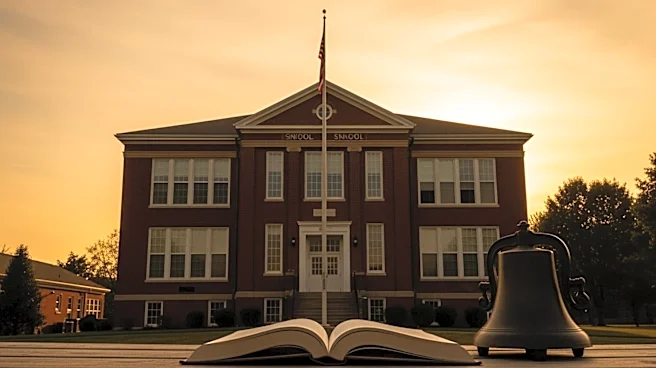







High schools in the United States play a crucial role in shaping the social and cultural landscape of the nation. As institutions that serve adolescents during a formative period of their lives, high schools influence not only educational outcomes but also social development and cultural identity. This article examines the impact of high schools on American society, focusing on their social and cultural significance.
Social Development
High schools are pivotal in the
social development of young people. They provide a structured environment where students can interact with peers, form friendships, and develop social skills. The diverse range of extracurricular activities offered by high schools, such as sports teams, clubs, and student organizations, further enhances social interaction and fosters a sense of community.
Participation in these activities helps students build teamwork and leadership skills, which are essential for success in both personal and professional life. High schools also serve as a platform for students to explore their interests and talents, contributing to their overall personal growth and self-discovery.
Cultural Identity
High schools contribute significantly to the cultural identity of students. They expose students to a variety of cultural perspectives through the curriculum, which often includes subjects like history, literature, and the arts. This exposure helps students develop a broader understanding of the world and appreciate cultural diversity.
Moreover, high schools often reflect the cultural values and norms of their communities. They serve as a microcosm of society, where students learn about civic responsibility, social justice, and the importance of community engagement. Through events like cultural festivals and community service projects, high schools encourage students to celebrate diversity and contribute positively to society.
Challenges and Opportunities
While high schools have a significant impact on social and cultural development, they also face challenges. Issues such as inequality in educational resources, racial and ethnic disparities, and varying levels of academic achievement can affect the quality of education and social experiences students receive.
Despite these challenges, high schools offer opportunities for positive change. By promoting inclusive policies and practices, schools can create an environment where all students feel valued and supported. Initiatives that focus on equity, diversity, and inclusion can help address disparities and ensure that high schools continue to play a vital role in shaping a more just and equitable society.
In conclusion, high schools are more than just educational institutions; they are integral to the social and cultural fabric of American society. By fostering social development and cultural identity, high schools prepare students to become informed, engaged, and responsible citizens.