


Potpourri, a fragrant mixture of dried plant materials, has a rich history that dates back to ancient times. Used primarily for its scent, potpourri has evolved through the centuries, adapting to cultural and technological changes. This article delves into the historical journey of potpourri, highlighting its origins, transformations, and enduring appeal.
Ancient Beginnings
Potpourri's use can be traced back to ancient civilizations, where it was employed to freshen
rooms and create pleasant aromas. In early 17th-century France, the process of making potpourri involved gathering fresh herbs and flowers throughout spring and summer. These were left to become limp before being layered with coarse sea salt. As the mixture aged, it was stirred occasionally, allowing it to ferment or even mold. By fall, spices were added to the unsightly grey mix until a pleasant fragrance was achieved. This method reflects the resourcefulness and creativity of early potpourri makers, who transformed simple plant materials into aromatic treasures.
Evolution in Techniques
The traditional method of making potpourri involved natural fermentation, which sometimes resulted in mold. However, as the art of potpourri evolved, new techniques emerged. Modern potpourri often consists of decoratively shaped dried plant materials, not necessarily from scented plants, with strong natural and synthetic perfumes added. This shift from natural fermentation to the use of synthetic perfumes marks a significant evolution in potpourri production, allowing for a wider variety of scents and aesthetic appeal.
Contemporary Usage
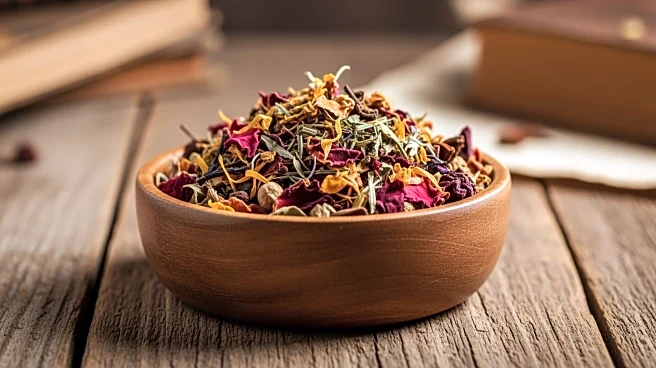
Today, potpourri is commonly found in residential settings, often placed in decorative bowls to provide a gentle natural scent. The lifespan of dried flowers used in potpourri can vary significantly, lasting anywhere from two months to 20 years, depending on the chosen blend and storage conditions. Properly made potpourri lasts longer when stored in closed containers, preserving its fragrance and aesthetic appeal. The use of scent-preserving fixatives, such as orris root, ensures that the fragrance is absorbed for slow release, maintaining the potpourri's aromatic qualities over time.
Potpourri's journey from ancient times to modern usage showcases its adaptability and enduring appeal. As techniques and materials have evolved, potpourri remains a beloved method of scenting spaces, reflecting both historical traditions and contemporary innovations.