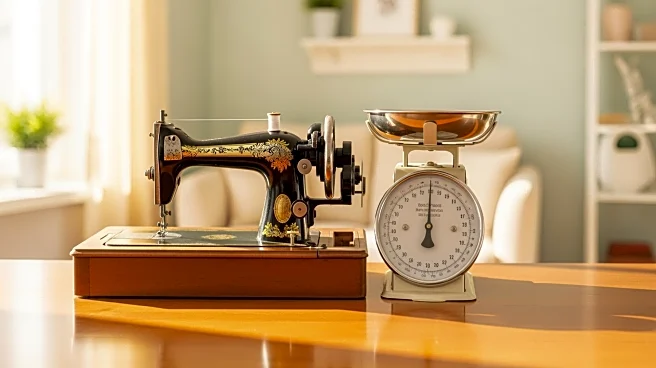




Home economics has played a significant role in shaping and reflecting gender roles in American society. Originally designed to prepare women for domestic responsibilities, the field has both reinforced and challenged traditional gender norms over time. This article examines the interplay between home economics and gender roles in the United States.
Reinforcing Traditional Roles
In its early years, home economics was closely tied to the notion of "women's work." The discipline
emerged in the 19th century with the goal of professionalizing domestic labor, primarily for women. Courses in home economics were introduced in schools to equip women with skills necessary for managing a household, such as cooking, sewing, and child care. This focus on domesticity reinforced the traditional view of women as homemakers and caregivers.
The Morrill Act of 1862 further institutionalized this role by providing land grants for educational programs in vocational arts, including home economics. As a result, women from various social classes gained access to education that prepared them for domestic roles, perpetuating the idea that women's primary responsibilities lay within the home.
Challenging Gender Norms
Despite its initial focus on traditional roles, home economics also provided a platform for challenging gender norms. The field's expansion in the early 20th century to include nutrition, consumer education, and personal finance began to blur the lines between male and female responsibilities. The establishment of the American Home Economics Association in 1909 marked a shift towards recognizing the intellectual and professional potential of women beyond domestic tasks.
The interwar period saw home economics professionals advocating for women's roles as modern consumers and efficient household managers. This shift aligned with broader societal changes, as women increasingly participated in the workforce and public life. The introduction of practice homes in universities allowed women to apply their skills in real-world settings, further challenging the notion that their contributions were limited to the private sphere.
Modern Perspectives and Inclusivity
The latter half of the 20th century brought significant changes to home economics, influenced by the rise of second-wave feminism and the push for gender equality. The field became more inclusive, with courses offered to both men and women. In 1994, the discipline was rebranded as Family and Consumer Sciences (FCS) to reflect its broader focus on family life and consumer education.
Today, FCS continues to challenge traditional gender roles by preparing students for diverse careers and life skills. The curriculum includes subjects such as culinary arts, interior design, and personal finance, emphasizing the importance of shared responsibilities in modern households. As society evolves, home economics remains a dynamic field that both reflects and influences changing gender norms.