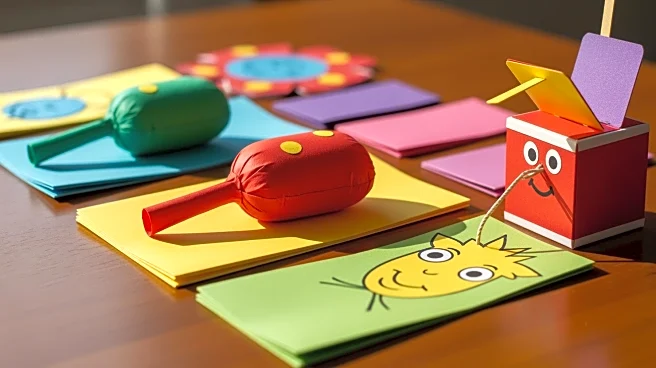




April Fools' Day, celebrated on April 1st, is a day filled with laughter and pranks. While its origins are rooted in Western culture, the day has been embraced by various countries, each adding its unique twist to the festivities. This article explores how different cultures celebrate April Fools' Day, highlighting the diverse customs and traditions that make this day special.
European Traditions
In France, Italy, and Belgium, April Fools' Day is known as "April fish."
The tradition involves attempting to attach a paper fish to someone's back without them noticing. This playful custom is reflected in late 19th-century French postcards, showcasing the cultural significance of the day. Bakeries in France often sell chocolate fish, adding a sweet touch to the celebrations.
In the United Kingdom, the day is marked by pranks that are revealed by shouting "April fool!" at the recipient. A study in the 1950s found that pranks are traditionally played until noon, after which it is considered inappropriate. Scotland has its own version called "Huntigowk Day," where people are sent on foolish errands with a message that reads "hunt the gowk another mile."
Celebrations in Asia and the Middle East
In Iran, a similar tradition called "dorugh-e Sizdah" is celebrated on the 13th of Farvardin, coinciding with April 1st or 2nd. This day has been observed since 536 BC, making it one of the oldest known joke days. Despite its ancient roots, the modern celebration is influenced by Western customs, with pranks being a central feature.
In Lebanon, pranks are revealed by saying "First of April Lie" to the recipient. This simple yet effective tradition highlights the universal appeal of April Fools' Day, transcending cultural boundaries. Similarly, in Turkey, pranks are revealed by shouting "Bir Nisan!" or "Nisan Bir!" emphasizing the playful nature of the day.
Global Influence and Modern Media
The influence of April Fools' Day has spread beyond its traditional boundaries, with countries like the United States hosting elaborate events. New York City, for instance, has an Annual April Fools' Day Parade featuring satirical floats and performances. This event highlights the day's role in public commentary and satire.
Mass media plays a significant role in modern celebrations, with television, radio, and online platforms participating in the festivities. The internet has expanded the reach of pranks, allowing them to catch a wider audience. Despite its playful nature, April Fools' Day has sparked debates about the ethics of pranking, especially when genuine news is mistaken for a joke. Nonetheless, the day remains a cherished tradition, bringing laughter and surprise to millions worldwide.