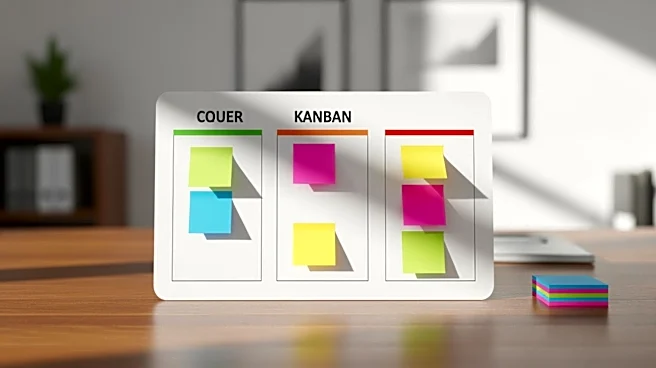








Kanban boards are a central component of the Kanban method, providing a visual representation of work items and their progress through a workflow. These boards are used in various industries to manage tasks and optimize processes, offering a clear and organized way to track work from start to finish.
The Structure of a Kanban Board
A typical Kanban board consists of columns and cards, each representing different aspects of the workflow. Columns are used to delineate stages of the process,
such as "To Do," "In Progress," and "Done." Cards represent individual work items, such as tasks or user stories, and are moved across the columns as work progresses.
Kanban boards can also include swimlanes, which are horizontal rows that group related work items. Swimlanes help organize tasks by category or team, providing additional clarity and focus. This structure allows teams to visualize the entire workflow, making it easier to identify bottlenecks and manage work effectively.
Functionality and Benefits of Kanban Boards
The primary function of a Kanban board is to provide a visual overview of the workflow, helping teams understand the status of work items and manage their tasks efficiently. By visualizing work, teams can quickly identify areas where tasks are getting delayed and take corrective action to improve flow.
Kanban boards also facilitate communication and collaboration within teams. The visual nature of the board makes it easy for team members to see what others are working on, promoting transparency and coordination. Additionally, by setting work-in-progress limits, Kanban boards help teams focus on completing tasks before taking on new ones, leading to more efficient workflows.
Customizing Kanban Boards for Different Needs
Kanban boards are highly customizable, allowing teams to tailor them to their specific needs and processes. Simple boards may consist of just a few columns, while more complex boards can include multiple stages and sub-columns to represent detailed workflows. This flexibility makes Kanban boards suitable for a wide range of applications, from manufacturing to software development.
Teams can also implement explicit policies and service level expectations on their Kanban boards, providing clear guidelines for how work should flow through the system. By making these policies visible, teams can ensure that everyone is aligned and working towards the same goals.
In summary, Kanban boards are a powerful tool for visualizing and managing workflows. Their structure and functionality provide teams with the clarity and organization needed to optimize processes and improve productivity. As industries continue to seek efficient ways to manage work, Kanban boards remain an essential component of the Kanban method.