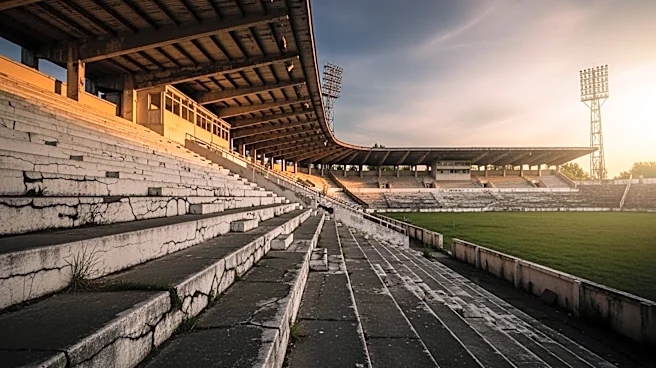


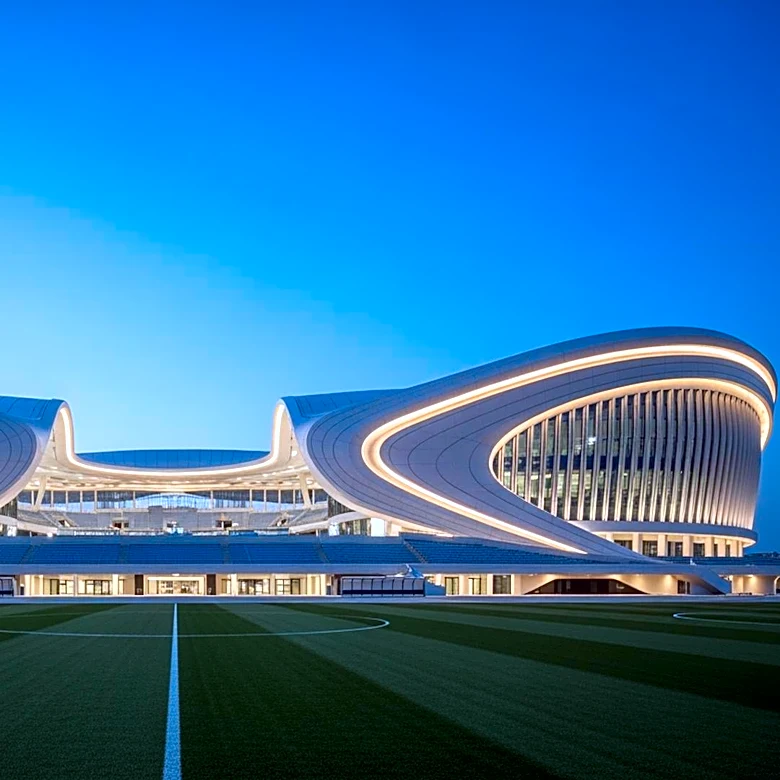



St. Jakob Stadium in Basel, Switzerland, has a rich history that spans several decades. Built in 1953, the stadium was initially constructed to host matches for the 1954 FIFA World Cup. Over the years, it became a significant venue for both national and international football events, leaving a lasting impact on the sporting landscape of Switzerland.
Construction and Early Years
The construction of St. Jakob Stadium began in 1953, with the primary goal of preparing for the upcoming
1954 FIFA World Cup. The stadium was designed to accommodate a large number of spectators, with a capacity of 51,500 at the time of the World Cup. Its strategic location in Basel made it accessible to fans and teams from across Europe.
The stadium officially opened on April 24, 1954, just in time for the World Cup. It quickly became a focal point for football in Switzerland, hosting several group stage matches, a quarter-final, and a semi-final during the tournament. The successful execution of these matches established St. Jakob Stadium as a premier venue for international football.
Major Events and Milestones
Beyond the World Cup, St. Jakob Stadium continued to host significant football events. It was the venue for four European Cup Winners' Cup finals, showcasing its ability to accommodate high-profile matches. The stadium was affectionately nicknamed "Joggeli" by Basel supporters, reflecting its importance to the local community.
Throughout its operational years, St. Jakob Stadium was home to FC Basel, one of Switzerland's most prominent football clubs. The stadium provided a platform for the club to compete at a high level, contributing to the development of football in the region. Its record attendance reached approximately 60,000, highlighting its popularity among fans.
Closure and Replacement
In 1998, St. Jakob Stadium was closed, marking the end of an era. The decision to close the stadium was driven by the need for modern facilities that could better serve the needs of contemporary football events. In its place, St. Jakob-Park was constructed, offering updated amenities and a larger capacity.
St. Jakob Stadium's legacy is preserved through its contributions to football history and its role in hosting pivotal matches. The transition to St. Jakob-Park represents the evolution of sporting infrastructure in Basel, ensuring that the city remains a key player in international football. The memories and milestones associated with St. Jakob Stadium continue to resonate with fans and players alike.