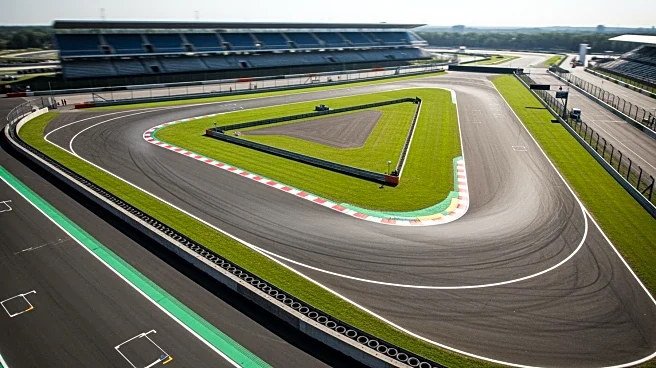

Chicagoland Speedway, located in Joliet, Illinois, has been a significant venue in the world of motorsports since its opening in 2001. This 1.5-mile tri-oval track has seen various changes and developments over the years, reflecting the dynamic nature of the racing industry. From its initial construction to its current status, Chicagoland Speedway has undergone transformations that have shaped its identity and role in NASCAR racing.
Planning and Construction
The idea for Chicagoland
Speedway emerged during the stock car racing boom of the 1990s. NASCAR, the Indianapolis Motor Speedway, and Menards formed the Motorsports Alliance to explore new markets for an intermediate oval track. After considering several locations, including DuPage Airport and Plano, Illinois, Joliet was chosen as the site for the new speedway. The partnership with Route 66 Raceway facilitated the construction, which began in 1999 and was completed in 2001.
The construction of Chicagoland Speedway was a significant undertaking, costing approximately $130 million. The track was designed as a 1.5-mile oval with unique features, such as a continuous curve on the backstretch instead of a straight line. This design set it apart from other intermediate tracks and contributed to its appeal among racing enthusiasts.
Operating Years
Chicagoland Speedway officially opened on July 12, 2001, with practice sessions for the Tropicana 400, a NASCAR Cup Series race. The track quickly became a staple in the NASCAR calendar, hosting annual races and attracting fans from across the country. Over the years, the speedway has seen various changes, including the installation of SAFER barriers in 2004 and the addition of lights for night racing in 2008.
Despite its initial success, Chicagoland Speedway faced challenges, including declining attendance, which led to reductions in seating capacity. In 2019, NASCAR acquired the facility, marking a new chapter in its history. However, the COVID-19 pandemic in 2020 resulted in the cancellation of scheduled races, leaving the track largely dormant for several years.
Revival and Future Prospects
In 2025, NASCAR announced the revival of Chicagoland Speedway, with plans to host the NASCAR Cup Series again in 2026. This decision signaled a renewed interest in the track and its potential to contribute to the racing community. The return of major events is expected to breathe new life into the facility, attracting fans and participants alike.
The appointment of Jacqueline Herrera as the general manager further underscores the commitment to revitalizing Chicagoland Speedway. With a focus on community relations and strategic planning, Herrera aims to ensure the track's success in the coming years. As Chicagoland Speedway prepares for its next chapter, it remains a symbol of resilience and adaptability in the ever-evolving world of motorsports.