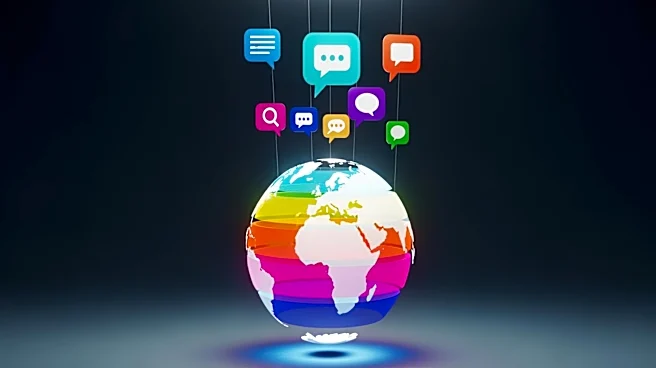







Digital literacy is a critical skill in today's technology-driven world, yet not everyone has equal access to the tools and resources needed to develop these skills. The digital divide highlights the disparities in access to digital technologies and the internet, which can significantly impact an individual's ability to become digitally literate.
Understanding the Digital Divide
The digital divide refers to the gap between those who have access to digital technologies and those who do
not. This divide can be influenced by various factors, including socioeconomic status, geographic location, and education level. Individuals in lower-income areas or rural regions often face challenges in accessing high-speed internet and digital devices, which are essential for developing digital literacy skills.
This lack of access can create significant barriers to education and employment opportunities. In today's digital age, being digitally literate is crucial for participating in the workforce and accessing information. Without the necessary tools and resources, individuals may find themselves at a disadvantage, unable to compete in an increasingly digital world.
The Role of Education
Education plays a vital role in bridging the digital divide and promoting digital literacy. Schools and educational institutions are increasingly incorporating digital literacy into their curricula, recognizing its importance in preparing students for the future. However, disparities in access to technology can still exist within educational settings.
Students from lower socioeconomic backgrounds may not have the same opportunities to develop digital skills as their peers. This can lead to a participation gap, where students with limited access to technology are unable to fully engage in digital learning experiences. Addressing this gap requires targeted efforts to provide equal access to digital tools and resources for all students.
Moving Towards Digital Equity
Efforts to close the digital divide and promote digital literacy are essential for achieving digital equity. This involves ensuring that all individuals have access to the necessary technologies and the skills to use them effectively. Initiatives such as providing affordable internet access, distributing digital devices, and offering digital literacy training can help bridge the gap.
Digital literacy is not just about having access to technology; it also involves understanding how to use it responsibly and ethically. As technology continues to evolve, it is crucial to address the digital divide and ensure that everyone has the opportunity to become digitally literate. By doing so, we can create a more inclusive and equitable digital society.