




Automatic emergency braking (AEB) systems have become a critical component in enhancing road safety. By automatically applying the brakes to prevent or mitigate collisions, these systems have significantly reduced accident rates and improved overall vehicle safety. This article examines the impact of AEB systems on road safety and their effectiveness in reducing accidents.
Reduction in Rear-End Collisions
One of the most significant impacts of AEB systems is the reduction in rear-end
collisions. Studies have shown that AEB can decrease rear-end collisions by a substantial margin. For instance, a 2015 study based on European and Australasian data suggested that AEB could reduce rear-end collisions by 38%. Similarly, a study of police-reported crashes found that automatic emergency braking reduced the incidence of rear-end crashes by 39%.
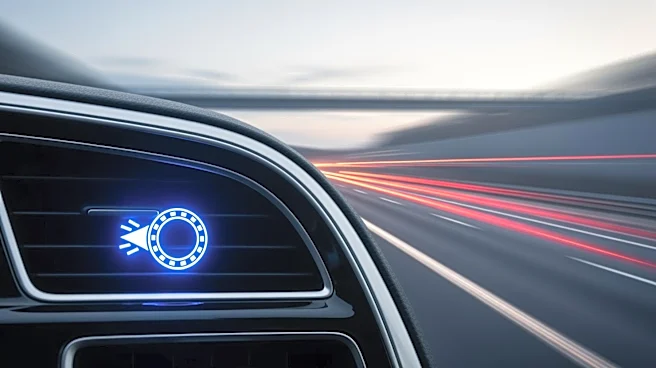
These reductions are attributed to the system's ability to detect potential collisions and apply the brakes autonomously, often faster than a human driver could react. By intervening in critical situations, AEB systems help prevent accidents that might otherwise occur due to driver inattention or delayed reaction times.
Broader Safety Benefits
Beyond reducing rear-end collisions, AEB systems contribute to broader road safety improvements. A 2012 study suggested that if all cars were equipped with AEB, it could reduce accidents by up to 27% and save thousands of lives annually on European roads. The National Highway Traffic Safety Administration (NHTSA) projected that the widespread adoption of AEB systems in the U.S. could prevent an estimated 28,000 collisions and 12,000 injuries.
These figures highlight the potential of AEB systems to significantly enhance road safety by preventing a wide range of accidents. By reducing the frequency and severity of collisions, AEB systems not only protect vehicle occupants but also contribute to safer road environments for all users.
Challenges and Future Prospects
Despite their effectiveness, AEB systems face challenges that can impact their performance. Adverse weather conditions, such as heavy rain or fog, can affect sensor accuracy and limit the system's ability to detect obstacles. Additionally, the system's effectiveness can vary based on the type of vehicle and the specific AEB technology used.
Looking ahead, advancements in sensor technology and system integration are expected to enhance the performance of AEB systems. As these systems become more sophisticated, they will likely play an even greater role in improving road safety and reducing accident rates, making them an essential feature in the future of automotive safety.