







The Whitney Museum of American Art, a cornerstone of modern and contemporary American art, has undergone significant transformations since its founding in 1930. One of the most notable changes was its relocation from Madison Avenue to Gansevoort Street in 2015. This move marked a new chapter in the museum's history, expanding its exhibition space and redefining its role in the art world.
The Madison Avenue Era
From 1966 to 2014, the Whitney Museum was located at 945 Madison
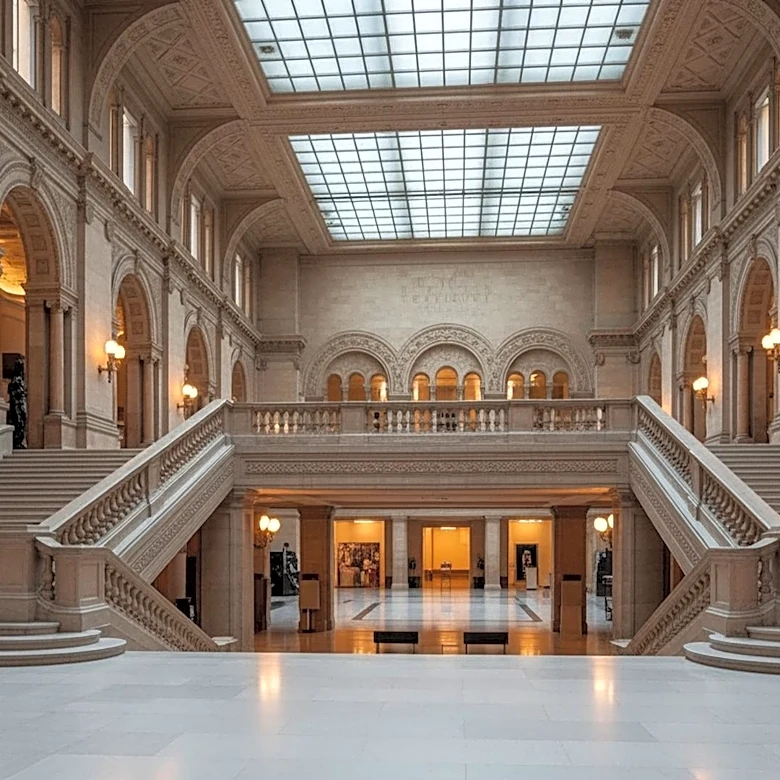
Avenue on Manhattan's Upper East Side. The building, designed by Marcel Breuer, was a distinctively modern structure that stood out among the neighboring townhouses. Its granite stone facade and trapezoidal windows became iconic features of the museum's identity. During this period, the Whitney grappled with space limitations, which led to various attempts to expand the building. Despite these challenges, the museum continued to host significant exhibitions, including the Whitney Biennial, which showcased emerging American artists.
The Madison Avenue location was not just a physical space; it was a cultural hub that fostered the growth of American art. The museum's collection grew significantly during this time, reflecting the dynamic changes in the art world. However, the need for more space and modern facilities became increasingly apparent, prompting the decision to relocate.
The Move to Gansevoort Street
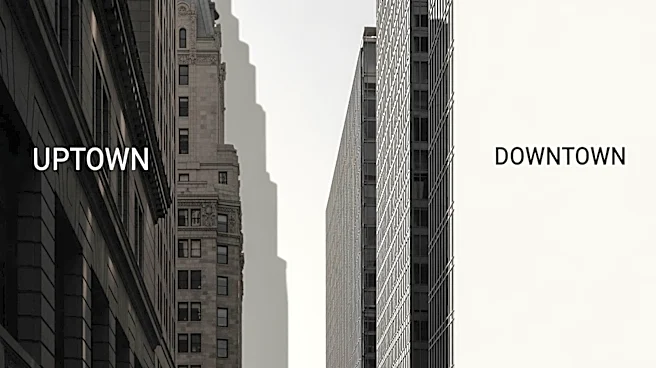
In 2015, the Whitney Museum opened its new home at 99 Gansevoort Street in the Meatpacking District and West Village neighborhoods of Manhattan. Designed by Renzo Piano, the new building offered 50,000 square feet of exhibition space, making it the largest column-free art gallery space in New York City. This move was not just about physical expansion; it represented a strategic shift to engage with a broader audience and integrate more deeply into the city's cultural fabric.
The new location at Gansevoort Street provided the Whitney with the opportunity to redefine its identity and mission. The building's design emphasized openness and accessibility, with observation decks and outdoor staircases that invited visitors to explore the museum from different perspectives. The relocation also allowed the Whitney to enhance its educational programs and conservation efforts, further solidifying its role as a leader in the art community.
Impact and Future Prospects
The Whitney Museum's move downtown has had a profound impact on its operations and public engagement. The expanded space has enabled the museum to host larger and more diverse exhibitions, attracting a wider audience. The new location has also facilitated collaborations with other cultural institutions and artists, fostering a vibrant artistic community.
Looking ahead, the Whitney Museum is poised to continue its legacy of innovation and excellence in American art. The move to Gansevoort Street has set the stage for future growth and development, ensuring that the museum remains a vital part of New York City's cultural landscape. As the Whitney continues to evolve, it will undoubtedly play a crucial role in shaping the future of contemporary art.