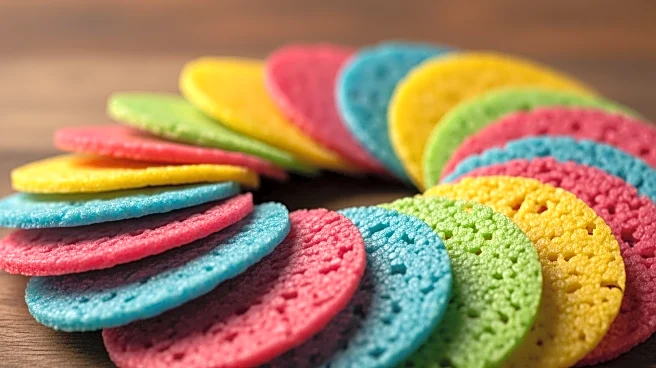




Kiping is more than just a traditional Filipino dessert; it is a cultural symbol deeply embedded in the traditions of Lucban, Quezon. This leaf-shaped wafer made from glutinous rice is celebrated annually during the Pahiyas Festival, showcasing its importance in Filipino culture. The festival not only highlights kiping as a culinary delight but also as a decorative art form, reflecting the creativity and community spirit of the people.
Kiping and the Pahiyas Festival
The Pahiyas
Festival is an annual event in Lucban, Quezon, where kiping takes center stage. During this festival, houses are adorned with colorful kiping wafers, shaped into chandeliers, flowers, and other ornaments. These decorations are not merely for aesthetic purposes; they symbolize the community's gratitude for a bountiful harvest. The festival is a vibrant display of local culture, where kiping serves as both a culinary treat and a decorative art form.
The use of kiping in the Pahiyas Festival highlights its role in community bonding and cultural expression. Each household competes to create the most beautiful and creative decorations, fostering a sense of unity and pride among the residents. The festival organizers judge these decorations, adding an element of friendly competition that enhances the community spirit.
The Art of Making Kiping
Creating kiping is an art form that requires skill and patience. The process begins with soaking glutinous rice, which is then ground into a paste and mixed with water, salt, and food dyes. This paste is spread onto leaf molds and steamed, then air-dried and compressed. The choice of leaves, such as those from the kabal tree, coffee, and cacao, adds unique textures and flavors to the wafers.
The preparation of kiping is steeped in tradition, with superstitions such as maintaining silence to prevent the wafers from cracking. This meticulous process reflects the dedication and craftsmanship of the people involved, making kiping not just a dessert but a cultural artifact.
Kiping as a Culinary Delight
Beyond its decorative use, kiping is enjoyed as a versatile dessert. It can be grilled or fried, and is often dipped in sugar, vinegar, or other sauces, offering a variety of flavors. This adaptability makes kiping a beloved treat among locals and visitors alike.
Kiping's culinary versatility is a testament to its enduring appeal. Whether served as a simple snack or a festival centerpiece, kiping continues to be a cherished part of Filipino culinary heritage, celebrated for its unique taste and cultural significance.