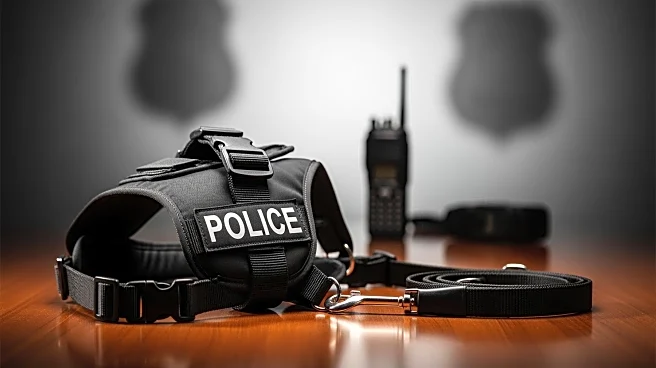




Police dogs, commonly referred to as K-9s, play a crucial role in modern law enforcement. Their unique abilities and specialized training make them invaluable assets in various operations, from detecting illegal substances to protecting officers. This article delves into the diverse roles police dogs fulfill today and the training that prepares them for these tasks.
Detection and Search Capabilities
One of the primary roles of police dogs is detection. They are trained to identify
explosives, narcotics, firearms, and ammunition. Some dogs specialize in detecting specific substances, such as marijuana, heroin, cocaine, and methamphetamines. Their keen sense of smell allows them to perform tasks that are challenging for humans, making them indispensable in search operations.
Police dogs are also employed in search and rescue missions. Breeds like the Belgian Malinois, German Shepherds, and Bloodhounds are particularly adept at locating missing persons or suspects. Their ability to track scents over long distances and challenging terrains makes them essential in finding individuals who are lost or evading capture.
Apprehension and Protection
In addition to detection, police dogs are trained for apprehension and protection. These dogs are used to locate and subdue suspects, often preventing dangerous situations from escalating. Their presence alone can deter criminal activity, as the threat of a trained police dog is often enough to encourage compliance.
Police dogs are also trained to protect their handlers and other officers. They are taught to respond to threats and can be deployed to neutralize suspects who pose a danger. The bond between a police dog and its handler is crucial, as it ensures the dog follows commands accurately and acts in the best interest of the team.
Training and Specialization
The training of police dogs is a comprehensive process that begins with basic obedience and progresses to specialized skills. Dogs must pass a basic obedience training course, demonstrating their ability to follow commands without hesitation. This foundation allows handlers to control the level of force a dog uses against a suspect.
Police dogs can be trained for single or dual purposes. Single-purpose dogs focus on tasks like tracking and protection, while dual-purpose dogs also detect explosives or narcotics. The training is tailored to the dog's role, ensuring they are equipped to handle the specific challenges they will face in the field.
In modern law enforcement, police dogs are more than just tools; they are partners in maintaining public safety. Their specialized skills and unwavering loyalty make them indispensable in a wide range of operations, highlighting the importance of their role in contemporary policing.