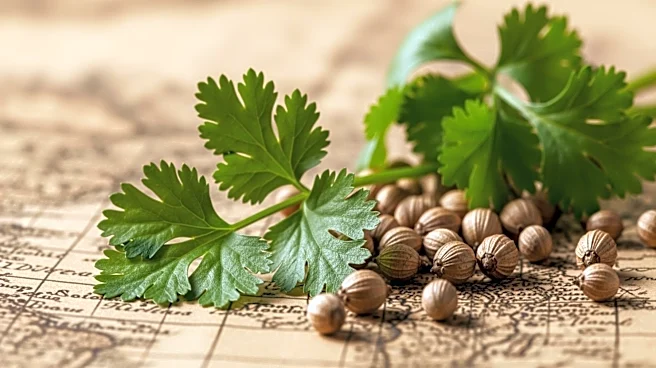







Coriander, known scientifically as Coriandrum sativum, has a rich history that spans thousands of years. This herb, native to the Mediterranean Basin, has been cultivated and used in various cultures for its culinary and medicinal properties. This article traces the historical journey of coriander, exploring its origins, ancient uses, and cultural significance across different civilizations.
Ancient Origins and Early Cultivation
Coriander's history dates back to ancient times, with evidence
of its use found in archaeological sites across the Mediterranean and beyond. The herb is believed to have been cultivated in Greece as early as the second millennium BCE, where it was used for both its seeds and leaves. One of the Linear B tablets from Pylos mentions coriander, indicating its role in the manufacture of perfumes.
In ancient Egypt, coriander was highly valued, as evidenced by the discovery of coriander mericarps in the tomb of Tutankhamen. The presence of coriander in Egypt, where it does not grow wild, suggests that it was cultivated and possibly imported for its aromatic and culinary uses. The Ebers Papyrus, an Egyptian text from around 1550 BCE, also mentions coriander, highlighting its significance in ancient Egyptian culture.
Coriander in Ancient Texts and Traditions
Coriander is mentioned in several ancient texts, including the Torah, where it is used as a point of reference for the taste of manna. This implies that coriander was a well-known ingredient in ancient Israel. The herb's presence in these texts underscores its importance in the culinary and cultural practices of the time.
In addition to its culinary uses, coriander was also valued for its medicinal properties. Ancient Greek physicians like Hippocrates and Dioscorides documented its use in treating various ailments. The herb's versatility and widespread use in ancient times highlight its enduring appeal and significance.
Cultural Significance and Modern Use
Coriander's cultural significance extends beyond its historical roots. Today, it remains a vital ingredient in many cuisines worldwide, from Mexican and Indian to Southeast Asian. Its unique flavor profile, characterized by fresh, citrusy notes, continues to be celebrated in both traditional and modern dishes.
The herb's enduring popularity is a testament to its versatility and adaptability. Whether used as a spice, garnish, or flavoring agent, coriander has maintained its place in the culinary traditions of diverse cultures. Its historical journey from ancient times to the present day reflects its lasting impact and significance in the world of food and flavor.
Coriander's rich history and cultural significance make it more than just a culinary herb; it is a symbol of the interconnectedness of human cultures and the shared appreciation for flavor and aroma.