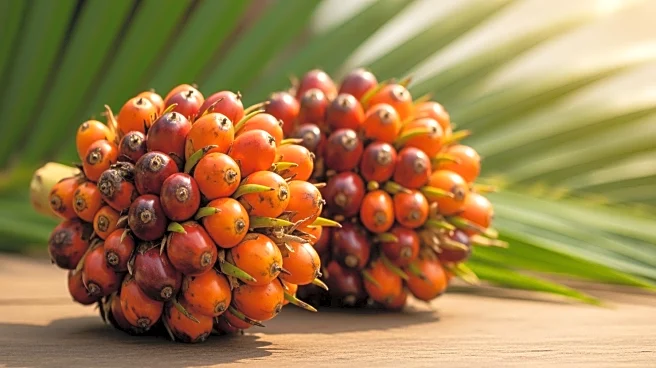




Malaysia is the world's second-largest producer of palm oil, playing a crucial role in the global palm oil industry. The country's strategies and commitments towards sustainable production are vital for balancing economic growth with environmental conservation. This article explores Malaysia's palm oil production, highlighting regional strategies and challenges.
Economic Importance and Production
Palm oil production is vital for Malaysia's economy, contributing significantly to employment
and export revenue. The Malaysian Palm Oil Board (MPOB) oversees the promotion and development of the sector, ensuring its growth and sustainability. Malaysia produces about 90 million tonnes of lignocellulosic biomass, including empty fruit bunches and oil palm trunks.
The industry has made strides towards sustainable production, with commitments to capping palm oil cultivation at 6.5 million hectares and maintaining over 50% of land as forest cover. As of recent reports, Malaysia's forest cover stands at 55.3%, reflecting efforts to balance production with conservation.
Environmental and Social Challenges
Despite its economic benefits, palm oil production in Malaysia faces environmental and social challenges. Deforestation and habitat loss are significant concerns, with palm oil cultivation contributing to biodiversity loss. Efforts to capture methane from palm oil mill effluent and utilize renewable energy sources are part of Malaysia's strategy to reduce emissions.
Social issues, including labor exploitation and land appropriation, have been reported in the industry. The United States Customs and Border Protection issued bans on imports from companies accused of forced labor practices, highlighting the need for ethical production standards.
Sustainable Practices and Future Outlook
Malaysia is actively promoting sustainable palm oil production, transitioning to net-zero emissions through sustainable land management practices. The government has pledged to limit plantation expansion and maintain forest cover, addressing environmental concerns.
Research institutions like the Palm Oil Research Institute of Malaysia (PORIM) play a crucial role in advancing sustainable practices. Collaboration between public and private sectors is essential for achieving sustainability goals and ensuring the industry's future.
Malaysia's role in palm oil production is marked by its commitment to sustainability and economic growth. As the industry evolves, addressing environmental and social challenges remains crucial for its long-term success, ensuring that palm oil production contributes positively to both the economy and the environment.