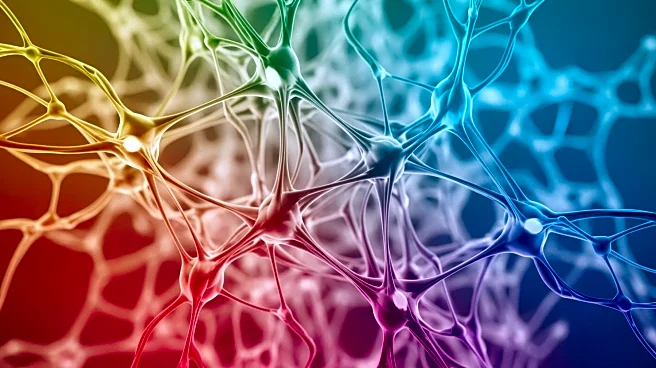




Neuroplasticity, the brain's ability to reorganize itself by forming new neural connections, has been a subject of fascination and study for decades. Initially believed to be a phenomenon restricted to childhood, recent research has shown that neuroplasticity continues into adulthood, allowing the brain to adapt to new experiences, recover from injuries, and learn new skills. This article explores the historical development of neuroplasticity, highlighting
key milestones in our understanding of this dynamic process.
Early Theories and Discoveries
The concept of neuroplasticity was first hinted at in the late 19th century by William James, who suggested that the brain was not fixed and could change in response to experiences. However, it wasn't until the mid-20th century that the idea gained traction. Santiago Ramón y Cajal, a pioneering neuroscientist, used the term "neuronal plasticity" to describe changes in the adult brain, challenging the prevailing belief that the brain was a nonrenewable organ.
In the 1960s, Paul Bach-y-Rita's work on sensory substitution provided compelling evidence for neuroplasticity. His experiments demonstrated that the brain could adapt to new sensory inputs, allowing blind individuals to "see" through tactile stimulation. This groundbreaking research paved the way for further studies on the brain's ability to reorganize itself.
Neuroplasticity in Adulthood
For many years, scientists believed that neuroplasticity was limited to the developing brain. However, research in the latter half of the 20th century revealed that the adult brain also exhibits plasticity. Studies on stroke recovery showed that healthy regions of the brain could take over functions lost due to injury, highlighting the brain's remarkable ability to adapt.
Michael Merzenich's work further demonstrated that neuroplasticity is not confined to childhood. His research showed that the adult brain could undergo significant changes in response to training and experience, challenging the notion of a hardwired brain. This discovery has profound implications for rehabilitation and learning, suggesting that the brain can continue to grow and change throughout life.
Implications for Learning and Rehabilitation
The understanding of neuroplasticity has revolutionized approaches to learning and rehabilitation. Techniques such as constraint-induced movement therapy and virtual reality therapy leverage the brain's ability to reorganize itself, offering new hope for individuals recovering from brain injuries. These methods are based on the principle that targeted, repetitive activities can stimulate cortical reorganization, leading to improved functional outcomes.
Moreover, the concept of neuroplasticity has influenced educational practices, emphasizing the importance of lifelong learning. By engaging in new activities and challenging the brain, individuals can enhance cognitive function and maintain brain health. This understanding underscores the dynamic nature of the brain and its capacity for change, offering exciting possibilities for personal growth and recovery.