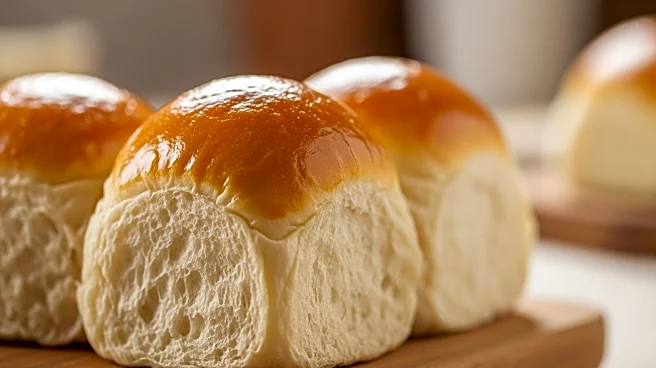




Parker House rolls are more than just a type of bread; they are a symbol of New England's rich culinary tradition. Invented in the 1870s at the Parker House Hotel in Boston, these rolls have become a beloved staple in American cuisine. Their buttery, soft texture and distinctive folded shape have made them a favorite at dinner tables across the country.
Cultural Significance
The Parker House rolls hold a special place in the hearts of many, particularly in New England,
where they are considered a regional specialty. Their creation at the Parker House Hotel in Boston during the 1870s adds to their cultural significance, as the hotel itself is a historic landmark known for its contributions to American culinary history.
The rolls are often associated with comfort and tradition, making them a popular choice for holiday gatherings and family dinners. Their soft, buttery texture and slightly sweet flavor complement a variety of dishes, from hearty stews to delicate salads, making them a versatile addition to any meal.
Culinary Influence
The influence of Parker House rolls extends beyond their regional roots. Their popularity has inspired numerous variations and copycat recipes, each attempting to capture the original's unique texture and flavor. The rolls are made by flattening the center of a ball of dough with a rolling pin to form an oval shape, which is then folded in half. This technique gives the rolls their characteristic folded shape, allowing the buttery flavor to permeate the bread.
The recipe for Parker House rolls first appeared in cookbooks in the 1880s, allowing home bakers to recreate the hotel’s signature bread. Fannie Farmer, a prominent figure in American culinary history, included a recipe for Parker House rolls in her 1896 publication, The Boston Cooking-School Cook Book, further cementing their place in American cuisine.
Enduring Legacy
Today, Parker House rolls continue to be enjoyed by many, often served at special occasions and holiday gatherings. Their story is a testament to the creativity and resourcefulness of chefs and bakers, and a reminder of how simple ingredients can be transformed into something extraordinary.
The legacy of Parker House rolls is one of innovation and tradition, reflecting the rich culinary heritage of New England. As a culinary icon, they represent the enduring appeal of classic recipes and the timeless joy of sharing good food with loved ones.