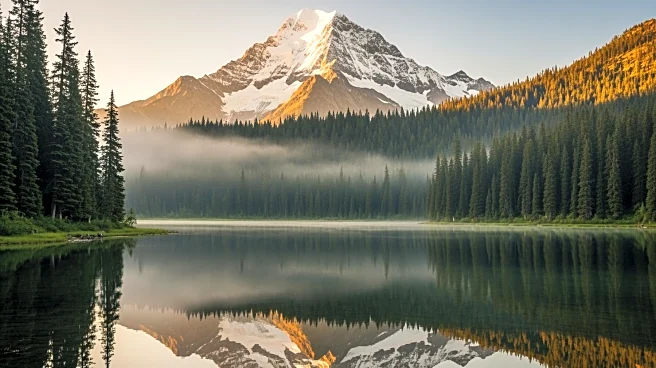




Mount Rainier National Park is not only a natural wonder but also a site of cultural and historical importance. Established in 1899, the park has played a significant role in the preservation of natural and cultural resources. This article examines the park's cultural significance, its impact on local communities, and its historical landmarks.
Native American Heritage
The area surrounding Mount Rainier has been inhabited by Native American tribes for thousands of years. The mountain
itself is known as "Tacoma" in Lushootseed, reflecting its cultural significance to the indigenous peoples. The earliest evidence of human activity in the park dates back to circa 4,000–5,800 BP, with artifacts found along Bench Lake Trail.
Native American tribes, including the Nisqually, Puyallup, Muckleshoot, Yakama, and Taidnapam, used the park for hunting, gathering, and spirit quests. Although there is no evidence of permanent habitation, the park's resources were integral to the tribes' way of life. The cultural affinities suggest that the site was used by Columbia Plateau Tribes from 1000 to 300 BP.
Historic Landmarks and Architecture
Mount Rainier National Park is home to several historic landmarks that showcase the National Park Service rustic-style architecture of the 1920s and 1930s. The Paradise Inn, built in 1916, is a masterpiece of early NPS master planning and exemplifies this architectural style. The park was designated a National Historic Landmark in 1997, highlighting its significance in preserving historic architecture.
The park contains 44 historic properties listed on the National Register of Historic Places, including four National Historic Landmarks. These landmarks reflect the park's historical development and its role in the conservation of natural and cultural resources.
Impact on Local Communities
The establishment of Mount Rainier National Park has had a lasting impact on local communities, particularly in the cities of Tacoma and Seattle. Commercial leaders in these cities supported the park's creation, recognizing its potential to attract tourism and boost the local economy. The Northern Pacific Railway also played a role in promoting the park as a destination for travelers.
Today, Mount Rainier National Park continues to provide opportunities for people to experience and understand the park environment. It sustains wilderness values and offers a glimpse into the dynamic processes of a glaciated volcano. The park's cultural and historical significance reflects the dedication to preserving natural beauty and cultural heritage for future generations.