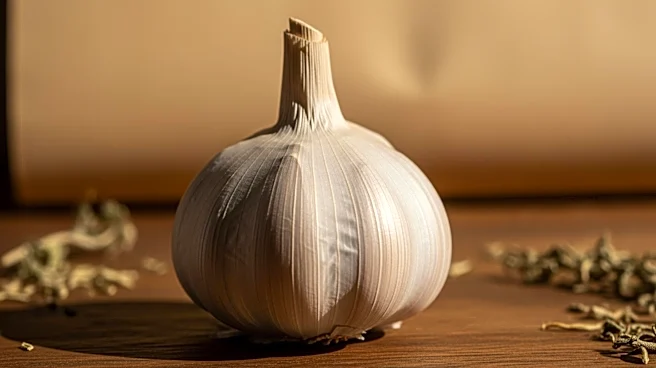






Garlic, scientifically known as Allium sativum, has been a significant part of human culture and history for thousands of years. Its pungent aroma and flavor have made it a staple in various cuisines, while its perceived medicinal properties have cemented its place in traditional medicine. From ancient civilizations to modern times, garlic's cultural and historical impact is both vast and varied.
Ancient Uses and Beliefs
Garlic's history dates back over 7,000 years, with its
use documented in ancient civilizations such as the Babylonians, Egyptians, and Romans. In Egypt, garlic was revered for its supposed health benefits and was even found in the tomb of Tutankhamun. The Greeks and Romans also valued garlic, using it as a food for soldiers and sailors, believing it provided strength and protection.
In ancient Jewish culture, garlic was a favored food, with the Mishnah referring to Jews as "garlic eaters." This nickname highlights the plant's importance in their diet and its role in cultural identity. Garlic was also used in religious and spiritual practices, often associated with protection and warding off evil spirits.
Garlic in Folklore and Tradition
Garlic's reputation as a protective agent extends into folklore, where it is often used to ward off demons, werewolves, and vampires. In European traditions, garlic was believed to have magical properties, capable of protecting against evil and bringing good fortune. This belief in garlic's protective power is reflected in its use in rituals and celebrations across various cultures.
In Korea, garlic plays a role in the foundation myth of the ancient kingdom of Gojoseon, where it was consumed as part of a transformative ritual. Similarly, in Persian culture, garlic is an essential item in the Nowruz New Year celebration, symbolizing health and protection.
Modern Cultural Significance
Today, garlic continues to hold cultural significance in many parts of the world. It is a key ingredient in numerous traditional dishes, from Middle Eastern hummus to Italian pasta sauces. Its use in cooking is not only for flavor but also for its symbolic meanings, such as health and vitality.
Garlic's enduring popularity is a testament to its versatility and cultural importance. It remains a symbol of health and protection, deeply embedded in the culinary and cultural traditions of many societies. As a result, garlic continues to be celebrated and cherished, both for its practical uses and its rich cultural heritage.
In conclusion, garlic's cultural and historical significance is a reflection of its enduring presence in human society. Its role in ancient rituals, folklore, and modern cuisine highlights its importance as a symbol of health, protection, and culinary excellence.