



The blouse is more than just a piece of clothing; it holds cultural significance in various regions around the world. From its role in traditional costumes to its adaptation in modern fashion, the blouse reflects the diverse cultural landscapes in which it is worn. This article explores the cultural importance of the blouse across different regions and its impact on fashion.
The Blouse in European Traditions
In Europe, the blouse has been a part of traditional folk costumes for centuries.
In Bavaria and rural Austria, the blouse is an integral component of the dirndl, a traditional dress that is often worn during cultural festivals and celebrations. These blouses are typically made of light fabrics like silk or cotton and are adorned with decorative elements such as frills and embroidery. The design of the blouse, particularly the cut of its neckline, can significantly alter the overall appearance of the dirndl, highlighting its cultural importance.
In the United Kingdom, the blouse has been a staple in women's fashion since the Victorian era. It was initially popularized as a practical garment for the female workforce, but over time, it became a symbol of elegance and sophistication. The blouse's ability to adapt to changing fashion trends while maintaining its cultural roots is a testament to its enduring appeal.
The Blouse in Indian Fashion
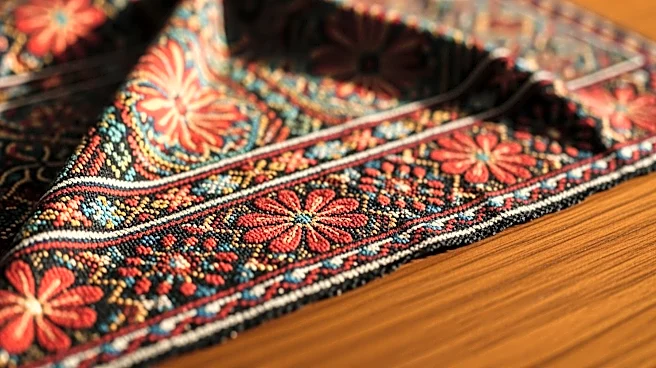
In India, the blouse is an essential part of traditional attire, often worn with a sari or lehenga. Known as a choli, this type of blouse is typically cropped, leaving the midriff bare, and is often richly decorated with embroidery and embellishments. The choli has a long history in Indian fashion, evolving from ancient garments like the stanapatta, a chest band worn by women in ancient times.
The choli's design varies across different regions in India, reflecting the diverse cultural influences within the country. In Rajasthan, for example, women often wear a kurti over their choli after marriage, adding another layer of cultural significance to the garment.
Modern Interpretations and Global Influence
Today, the blouse continues to be a versatile garment that transcends cultural boundaries. It is worn by people of all genders and is available in a wide range of styles and materials. The blouse's adaptability has allowed it to remain relevant in modern fashion, while still honoring its cultural roots.
In conclusion, the blouse is a garment that holds significant cultural value across various regions. Its ability to adapt to different cultural contexts and fashion trends has made it a timeless piece of clothing that continues to be cherished worldwide.