
The Fox–Watson Theater Building in Salina, Kansas, stands as a testament to the architectural brilliance of the early 20th century. Designed by the Boller Brothers, this theater is a striking example of Art
Deco architecture with Spanish Colonial influences. Its design not only reflects the aesthetic preferences of its time but also contributes to its enduring appeal as a cultural landmark.
Art Deco and Spanish Colonial Influences
The Fox–Watson Theater was designed by the Boller Brothers, an architectural firm based in Kansas City, Missouri. Known for their expertise in theater design, the Boller Brothers infused the Fox–Watson Theater with a unique blend of Art Deco and Spanish Colonial styles. The theater's terracotta facade is a hallmark of Art Deco architecture, characterized by its geometric shapes and ornamental details.
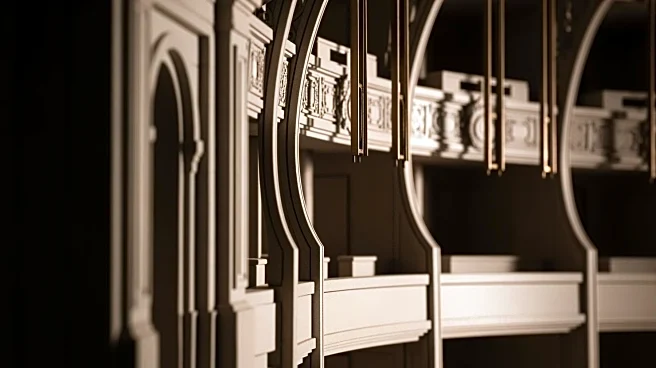
Inside, the theater's plasterwork showcases Spanish Colonial influences, adding a touch of elegance and grandeur. This combination of styles creates a visually stunning environment that enhances the theater-going experience. The attention to detail in the design reflects the Boller Brothers' commitment to creating spaces that are both functional and aesthetically pleasing.
Construction and Cost
The construction of the Fox–Watson Theater was a significant undertaking, with Fox West Coast Theatres investing $400,000 in its development. This investment was substantial for the time, equivalent to approximately $7.3 million in 2024. The theater's construction was part of a broader trend in the early 20th century, where movie palaces were built to provide a luxurious and immersive experience for audiences.
The theater's design and construction were not only about aesthetics but also about creating a space that could accommodate a large audience. With a seating capacity of 1,265, the Fox–Watson Theater was designed to be a major entertainment venue in Salina, capable of hosting large crowds for movie screenings and other events.
Legacy and Preservation
The architectural significance of the Fox–Watson Theater has contributed to its preservation as a historic landmark. In 1988, it was listed on the National Register of Historic Places, recognizing its importance as a cultural and architectural treasure. This designation has helped ensure that the theater's unique design is preserved for future generations to appreciate.
Today, as the Stiefel Theatre for the Performing Arts, the building continues to serve as a venue for cultural events, maintaining its role as a centerpiece of Salina's cultural landscape. The architectural marvel of the Fox–Watson Theater remains a source of pride for the community, symbolizing the rich history and artistic heritage of the region.