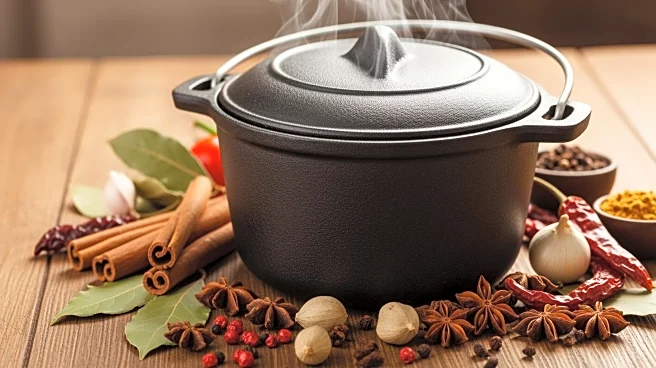




Braising is a cooking technique that transcends cultural boundaries, finding a place in kitchens around the world. This method, which combines wet and dry heat, is celebrated for its ability to transform tough ingredients into tender, flavorful dishes. From the rich stews of Europe to the aromatic braises of Asia, braising is a universal technique that reflects the culinary traditions and preferences of diverse cultures.
European Braising Traditions
In Europe, braising is often
associated with hearty, comforting dishes that are perfect for cold weather. French cuisine, in particular, has popularized braised dishes such as coq au vin and boeuf bourguignon, which feature meat simmered in wine and aromatic vegetables. These dishes are known for their deep, complex flavors and are often served with crusty bread or potatoes to soak up the rich sauce.
In Italy, osso buco is a classic example of braising, where veal shanks are cooked slowly with white wine, broth, and vegetables. The dish is traditionally garnished with gremolata, a mixture of lemon zest, garlic, and parsley, adding a fresh contrast to the rich flavors of the braise.
Asian Braising Techniques
Asian cuisines have embraced braising as a method to infuse ingredients with bold flavors. In Chinese cooking, red braising, or hong shao, is a popular technique that uses soy sauce, sugar, and spices to create a savory-sweet dish. This method is often applied to pork belly, resulting in a dish with a melt-in-the-mouth texture and a glossy, caramelized finish.
Vietnamese cuisine also features braising, often incorporating fish sauce and aromatic herbs to create dishes that are both savory and fragrant. These braises are typically served with rice, allowing the flavors to be fully appreciated in each bite.
The Universal Appeal of Braising
Braising's appeal lies in its ability to enhance the natural flavors of ingredients while creating a dish that is both comforting and satisfying. The technique's versatility allows it to be adapted to various ingredients and flavor profiles, making it a staple in kitchens worldwide.
Whether it's a traditional pot roast in the United States or a spicy braised tofu in Korea, braising continues to be a beloved method for creating meals that bring people together. Its global presence is a testament to the technique's enduring popularity and its ability to adapt to the tastes and traditions of different cultures.