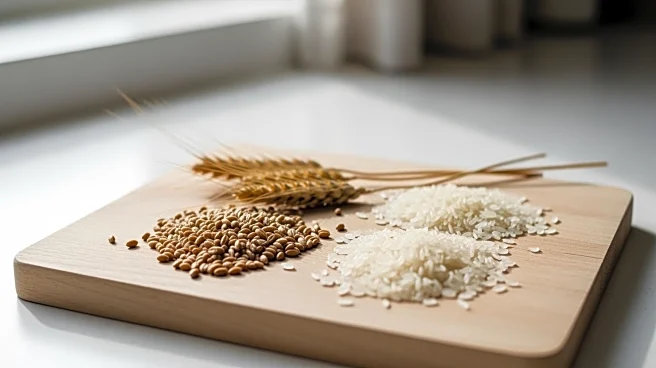




Adopting a gluten-free lifestyle involves more than just dietary changes; it requires careful planning and vigilance to avoid gluten exposure. For individuals with gluten-related disorders, maintaining a gluten-free diet is essential to prevent symptoms and health complications. However, the practical challenges of this lifestyle can be daunting, from avoiding cross-contamination to ensuring nutritional balance. This article explores the key challenges and considerations
for those navigating a gluten-free lifestyle.
Avoiding Cross-Contamination
One of the primary challenges of a gluten-free lifestyle is avoiding cross-contamination. Gluten can be present in processed foods as an additive, and cross-contamination can occur during food preparation and handling. This is particularly concerning for individuals with celiac disease, as even small amounts of gluten can trigger symptoms and cause intestinal damage. Cross-contamination can happen in various settings, including home kitchens, restaurants, and food manufacturing facilities.
In the home, cross-contamination can occur when gluten-free and gluten-containing foods are prepared on the same surfaces or with shared utensils. To minimize this risk, individuals must be diligent about cleaning surfaces and utensils and using separate equipment for gluten-free cooking. Restaurants also pose a risk of cross-contamination, as studies have shown that a significant percentage of foods labeled gluten-free contain enough gluten to be harmful. Educating restaurant staff and implementing strict protocols can help reduce this risk.
Ensuring Nutritional Balance
Another challenge of a gluten-free lifestyle is ensuring nutritional balance. Gluten-free products often lack essential nutrients found in gluten-containing grains, such as iron and B vitamins. Additionally, these products may have higher lipid and carbohydrate content, posing a risk of overconsumption, especially among children. Proper dietary education is crucial to prevent nutritional deficiencies and ensure a balanced diet.
Individuals following a gluten-free diet should focus on incorporating naturally gluten-free foods, such as fruits, vegetables, lean proteins, and pseudocereals like quinoa and buckwheat. These foods provide essential nutrients and can help maintain a healthy diet. Consulting with a registered dietitian can also be beneficial, as they can provide guidance on achieving nutritional balance and avoiding common pitfalls.
Navigating Social Situations
Social situations can present additional challenges for those maintaining a gluten-free lifestyle. Events like birthday parties, family gatherings, and dining out can be difficult to navigate, as gluten-containing foods are often prevalent. This can lead to feelings of social isolation and anxiety, particularly for children who may feel excluded from typical activities.
To address these challenges, individuals can plan ahead by bringing gluten-free options to social events or communicating their dietary needs to hosts and restaurant staff. Building a support network of friends and family who understand and respect dietary restrictions can also help alleviate social pressures and create a more inclusive environment.
In conclusion, while a gluten-free lifestyle is essential for those with gluten-related disorders, it requires careful planning and consideration to overcome practical challenges. By understanding and addressing these challenges, individuals can successfully maintain a gluten-free diet and enjoy a healthy, fulfilling lifestyle.