

Robert Frost, one of America's most celebrated poets, left an indelible mark on the literary world with his vivid depictions of rural life and mastery of American colloquial speech. Born in 1874, Frost's journey from a city upbringing to becoming a symbol of New England's pastoral beauty is a story of perseverance, talent, and profound insight into human nature. This article explores the key milestones in Frost's life, his personal challenges, and his enduring
legacy.
Early Life and Education
Robert Frost was born in San Francisco in 1874 to William Prescott Frost Jr., a journalist, and Isabelle Moodie, a Scottish immigrant. His early life was marked by the death of his father in 1885, which prompted the family to move to Lawrence, Massachusetts. Under the care of his grandfather, Frost graduated from Lawrence High School as co-valedictorian alongside his future wife, Elinor White. Despite a brief stint at Dartmouth College, Frost's true passion lay in poetry, a calling he pursued while working various jobs to support his family.
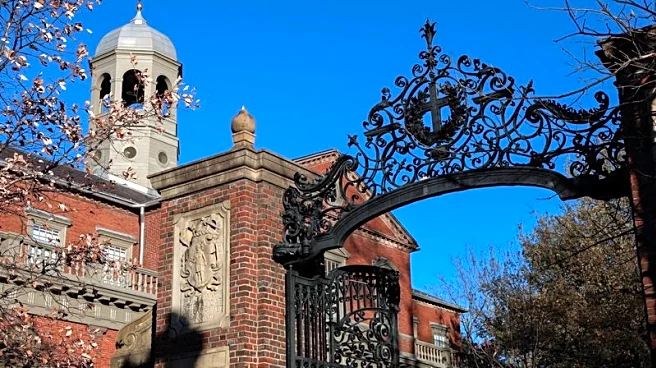
Frost's early exposure to the classics at Lawrence High School laid the foundation for his literary career. Although he attended Harvard University for two years, he left due to illness, choosing instead to focus on his writing. His first poem, "My Butterfly. An Elegy," was published in 1894, marking the beginning of his professional journey.
Professional Achievements
Frost's career took a significant turn when he moved to England in 1912, where he published his first book of poetry, "A Boy's Will." In England, he formed important connections with poets like Edward Thomas and Ezra Pound, who played crucial roles in his development as a poet. Upon returning to the United States in 1915, Frost settled in New Hampshire, where he continued to write and teach.
Frost's work earned him numerous accolades, including four Pulitzer Prizes for Poetry, a testament to his mastery of the craft. His notable works, such as "The Road Not Taken" and "Stopping by Woods on a Snowy Evening," reflect his ability to capture the complexities of human experience through the lens of rural life. In 1958, he was appointed United States Poet Laureate, further cementing his status as a literary icon.
Personal Challenges and Legacy
Despite his professional success, Frost's personal life was fraught with tragedy. He faced the loss of several family members, including his wife Elinor and four of his six children. These personal hardships, coupled with his own struggles with depression, deeply influenced his work, imbuing it with a sense of melancholy and introspection.
Frost's legacy extends beyond his poetry. His influence on American literature is profound, with his works continuing to be studied and celebrated for their exploration of universal themes. Frost's ability to blend traditional poetic forms with colloquial language has inspired countless poets and solidified his place in the pantheon of great American writers.
In conclusion, Robert Frost's life was a tapestry of triumphs and tribulations, woven together by his unwavering dedication to poetry. His work remains a testament to the power of language to capture the human condition, ensuring his place in literary history for generations to come.