



Yosemite Valley is not only a geological wonder but also a vibrant ecological haven. This glacial valley, located in California's Sierra Nevada, supports a diverse range of ecosystems and wildlife. From its coniferous forests to its open meadows, Yosemite Valley is a living testament to the richness of nature.
Diverse Habitats
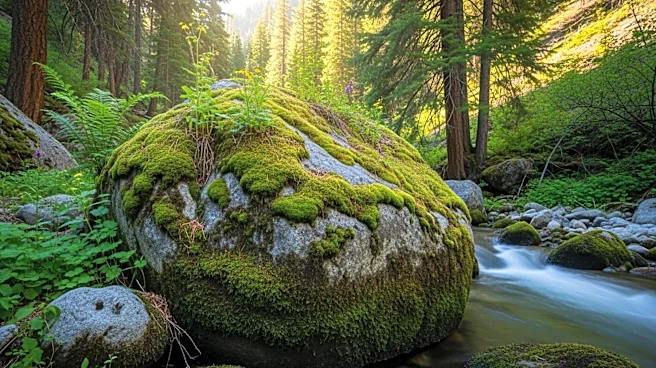
The valley's floor, at an elevation of about 4,000 feet, is home to a variety of habitats. Coniferous forests dominate the landscape, with towering
pines providing a canopy for the diverse flora and fauna below. These forests are interspersed with meadows and riparian habitats, creating a mosaic of ecosystems that support a wide range of species.
The valley's meadows are particularly important for biodiversity. They offer open spaces where sunlight reaches the ground, allowing a variety of plant species to thrive. These meadows are also crucial for many animal species, providing food and shelter. The combination of forest and meadow habitats makes Yosemite Valley a hotspot for wildlife.
Wildlife of Yosemite Valley
Yosemite Valley is home to an impressive array of wildlife. Over 142 bird species have been recorded in the valley, including the California warbler and the western robin. These birds find ample food and nesting sites in the valley's diverse habitats.
Mammals are also abundant in Yosemite Valley, with approximately 90 species calling it home. From small rodents like shrews and chipmunks to larger mammals such as bears and foxes, the valley supports a wide range of life. Some species, like the Sierra Nevada red fox and the Pacific fisher, are listed as threatened, highlighting the importance of conservation efforts in the area.
Flora of the Valley
The plant life in Yosemite Valley is as diverse as its animal inhabitants. The valley is home to a variety of trees, including the California black oak, ponderosa pine, and incense cedar. These trees provide essential habitat and food for many of the valley's wildlife species.
In addition to trees, the valley boasts a rich array of wildflowers. From June through August, the meadows burst into color with blooms of lupines, buttercups, and shooting stars. These wildflowers not only add to the valley's beauty but also play a crucial role in the ecosystem, supporting pollinators and other wildlife.
Yosemite Valley's rich ecology is a testament to the power and beauty of nature. Its diverse habitats and abundant wildlife make it a vital part of the Sierra Nevada's natural heritage.