
The Intermediate-Range Nuclear Forces Treaty (INF Treaty) was a pivotal agreement in the realm of arms control, with far-reaching strategic implications for global military dynamics. Signed in 1987 between
the United States and the Soviet Union, the treaty aimed to eliminate an entire class of nuclear weapons, thereby altering the strategic landscape of the Cold War. This article delves into the military and geopolitical ramifications of the INF Treaty and its eventual termination.
Military Impact and Strategic Balance
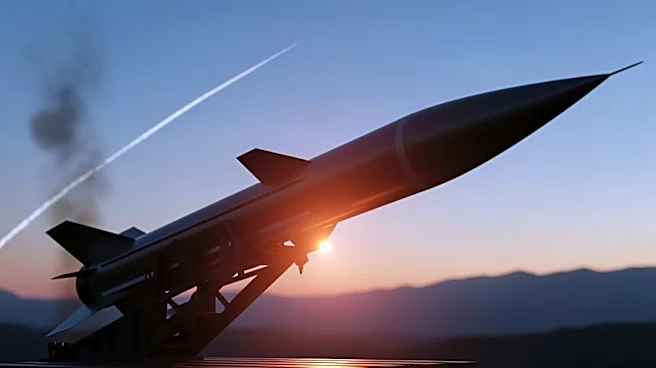
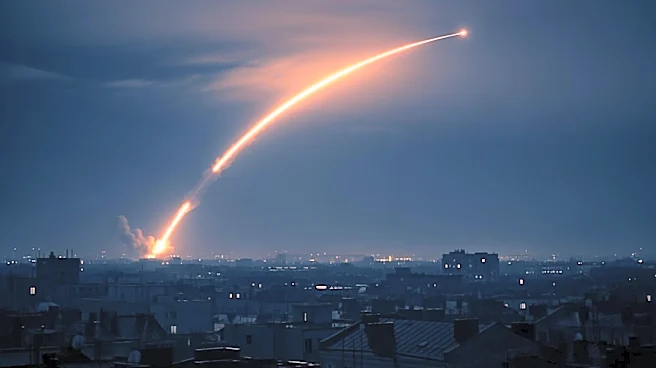
The INF Treaty was groundbreaking in its scope, as it mandated the destruction of all ground-launched ballistic and cruise missiles with ranges between 500 and 5,500 kilometers. This included both nuclear and conventional warheads, significantly reducing the number of missiles capable of striking targets in Europe and Asia. By 1991, the United States and the Soviet Union had collectively destroyed 2,692 missiles, marking a substantial reduction in their nuclear arsenals.
The treaty's impact on the strategic balance was profound. It eliminated the threat posed by Soviet SS-20 missiles, which had been a major concern for NATO allies due to their ability to reach Western Europe. In response, the United States had deployed Pershing II and cruise missiles in Europe, which were also dismantled under the treaty. This mutual disarmament reduced the risk of a nuclear confrontation in Europe and contributed to a more stable strategic environment.
Geopolitical Ramifications
Beyond its military implications, the INF Treaty had significant geopolitical consequences. It marked a thaw in U.S.-Soviet relations, demonstrating that even the most entrenched adversaries could negotiate meaningful arms control agreements. The treaty set a precedent for future negotiations, paving the way for subsequent agreements such as the Strategic Arms Reduction Treaty (START).
The INF Treaty also had a stabilizing effect on Europe, as it addressed the concerns of NATO allies regarding the Soviet missile threat. By eliminating intermediate-range missiles, the treaty reduced the likelihood of a nuclear conflict on the continent and fostered greater cooperation among NATO members. It also contributed to the broader process of détente, easing tensions between the superpowers and promoting dialogue on other contentious issues.
Challenges and the End of the Treaty
Despite its initial success, the INF Treaty faced numerous challenges over the years. Allegations of non-compliance emerged, with the United States accusing Russia of developing a missile system that violated the treaty's terms. Russia denied these allegations and countered with accusations of U.S. violations related to missile defense systems.
The rise of China as a military power further complicated the strategic landscape. The INF Treaty did not include China, which was free to develop intermediate-range missiles, leading to concerns about an imbalance in military capabilities. The Trump administration cited these factors as reasons for withdrawing from the treaty in 2019, arguing that the agreement no longer served U.S. interests in a changing geopolitical environment.
The termination of the INF Treaty marked a significant shift in global arms control dynamics. It raised concerns about a new arms race, as the absence of the treaty removed constraints on the development and deployment of intermediate-range missiles. The end of the INF Treaty underscored the challenges of maintaining international agreements in a rapidly evolving world and highlighted the need for new approaches to arms control in the 21st century.
In conclusion, the INF Treaty was a landmark agreement with profound strategic implications. While it succeeded in reducing nuclear arsenals and easing tensions during the Cold War, its eventual collapse highlights the ongoing challenges in achieving lasting peace and security in an increasingly complex global landscape.