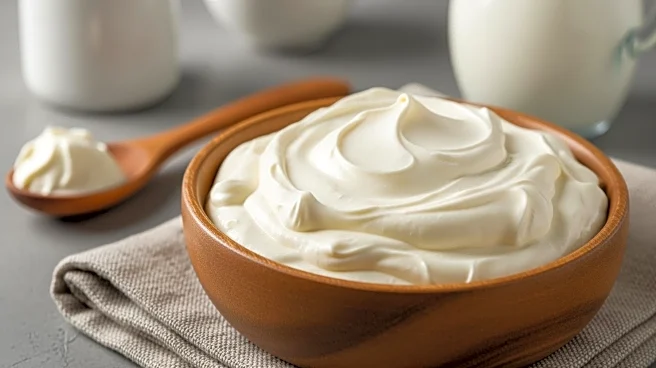




Smetana is a distinctive dairy product that stands out for its unique properties, setting it apart from other similar products like sour cream and crème fraîche. This article explores the characteristics of smetana, its variations across regions, and its culinary applications that make it a favorite in Central and Eastern European kitchens.
Distinctive Characteristics
Smetana is produced by souring heavy cream, resulting in a product that is similar to crème fraîche but with
notable differences. Depending on the country, smetana is sold with a milkfat content ranging from 9% to 42%, which is higher than the 18% butterfat found in U.S. sour cream. This variation in fat content affects its cooking properties, making smetana less likely to curdle at high temperatures.
The ability to withstand heat without curdling is one of smetana's most valued properties, allowing it to be used in dishes that require long cooking times. This makes it ideal for meat stews, casseroles, and other oven-baked dishes, where it adds richness and depth without compromising texture.
Regional Variations
Smetana's composition varies across regions, reflecting local preferences and culinary traditions. In Central European countries like the Czech Republic, Hungary, and Slovakia, smetana may refer to either sweet or soured cream, with a minimum fat content of 10%. In Serbia, smetana is often referred to as "kisela pavlaka" (sour cream) in larger markets, where it typically contains between 15% to 30% fat.
These regional differences highlight the adaptability of smetana to local tastes and cooking methods. In Finland, the name "smetana" is reserved for products with a high fat content, while ordinary sour cream is called "hapankerma." Such distinctions demonstrate how smetana has evolved to meet the needs of diverse culinary practices.
Culinary Applications
Smetana's unique properties make it a versatile ingredient in cooking and baking. Its high fat content contributes to moist, tender cakes and pastries, while its ability to blend smoothly with other ingredients makes it a popular choice for sauces and dressings. In Hungarian cuisine, smetana is used in paprikas and palacsinta, where it adds creaminess and balances the flavors of spicy dishes.
In Germanic cuisines, smetana is used in Schmandkuchen, a cake that features a creamy topping made from smetana and quark. This combination results in a dessert that is both rich and refreshing, showcasing the versatility of smetana in sweet and savory applications.
Smetana's unique properties, regional variations, and culinary applications make it a distinctive dairy product that continues to be cherished in Central and Eastern European cuisines. Its ability to enhance flavors and textures while adapting to local preferences ensures its place as a staple ingredient in traditional and modern dishes alike.