


Formal wear, with its roots deeply embedded in Western traditions, holds a significant place in cultural and social contexts. It is more than just a dress code; it is a symbol of respect, tradition, and social status. This article explores the cultural significance of formal wear and its impact on societies both in the West and globally.
Formal Wear as a Symbol of Tradition
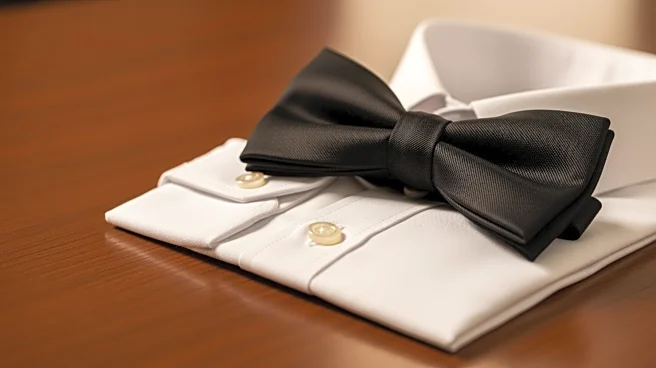
In Western societies, formal wear is often associated with tradition and ceremony. It is worn at significant life
events such as weddings, christenings, and funerals, marking these occasions with a sense of dignity and respect. The adherence to formal dress codes at such events underscores the importance of tradition and the continuity of cultural practices.
Formal wear also plays a role in state functions and official ceremonies, where it signifies the solemnity and importance of the occasion. The presence of formal attire at these events reinforces the idea of respect for institutions and the roles they play in society.
Social Status and Formal Wear
Historically, formal wear has been a marker of social status. The ability to adhere to the dress code, with its specific requirements and often costly garments, has traditionally been associated with the upper echelons of society. This association with social status is still evident today, as formal wear is often seen at high-profile events such as royal weddings and state dinners.
The exclusivity of formal wear, with its emphasis on quality materials and craftsmanship, continues to reflect social hierarchies. However, the democratization of fashion has made formal wear more accessible, allowing individuals from various backgrounds to participate in these cultural traditions.
Global Influence and Adaptation
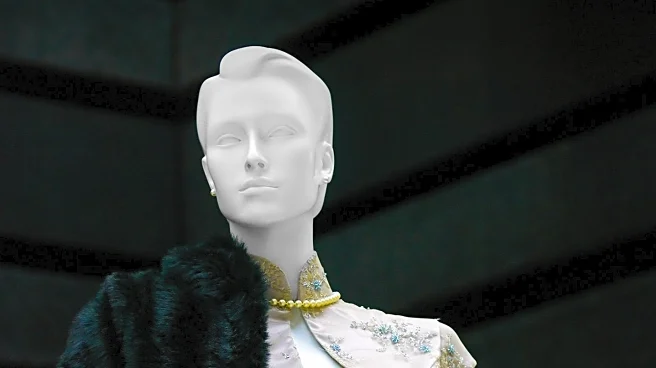
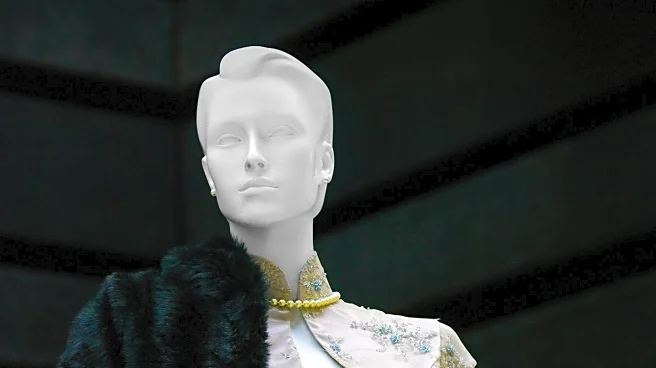
While formal wear originated in Western cultures, its influence has spread globally. Many cultures have adopted elements of Western formal wear, integrating them with traditional attire to create unique expressions of cultural identity. This fusion of styles highlights the adaptability and enduring appeal of formal wear.
In some cases, national costumes are accepted as alternatives to Western formal attire, showcasing the diversity of cultural expressions. This acceptance of different cultural traditions within the framework of formal wear underscores its role as a unifying element in a globalized world.
Formal wear remains a powerful symbol of cultural and social significance. Its ability to convey respect, tradition, and social status ensures its continued relevance in societies around the world.