





Stationary bicycles, commonly referred to as exercise bikes, are a staple in fitness centers and home gyms. Their design and mechanics have evolved over time to provide users with an effective and customizable workout experience. This article delves into the technical aspects of stationary bicycles, examining their design features and the mechanisms that enhance their functionality.
Design Features and Components
At their core, stationary bicycles are designed to mimic the experience
of outdoor cycling. They typically include a saddle, pedals, and handlebars arranged similarly to a traditional bicycle. However, unlike regular bicycles, stationary bikes are equipped with mechanisms that allow users to adjust the resistance and intensity of their workouts.
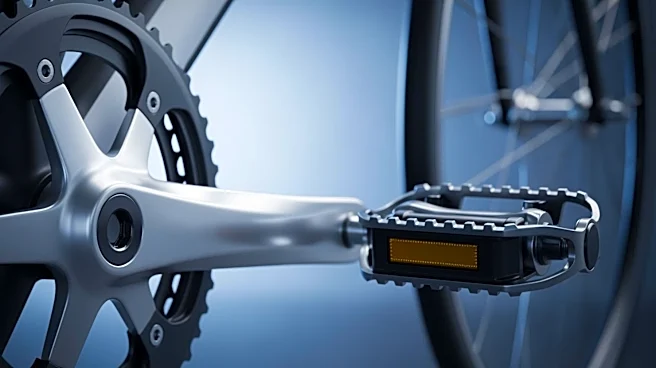
Most exercise bikes feature a crankshaft and bottom bracket that turn a flywheel using a belt or chain. This setup is crucial for simulating the inertia and momentum experienced during outdoor cycling. The flywheel's weight and design play a significant role in providing a smooth and realistic cycling experience, making it a key component of stationary bicycles.
Resistance Mechanisms and Adjustability
One of the defining features of stationary bicycles is their ability to apply resistance to the pedals. This resistance can be adjusted to increase or decrease the intensity of the workout, allowing users to tailor their exercise routines to their fitness levels and goals. Common resistance mechanisms include magnets, fans, and friction systems.
Magnetic resistance is popular for its smooth and quiet operation, while fan-based systems provide a more dynamic resistance that increases with pedaling speed. Friction mechanisms, on the other hand, offer a more traditional approach, using pads to create resistance against the flywheel. Some models even allow users to pedal backward, engaging different muscle groups and enhancing the versatility of the workout.
Innovations and Specialized Models
The stationary bicycle industry has seen numerous innovations over the years, leading to the development of specialized models such as spinning bikes. These bikes are designed with a weighted flywheel at the front, providing a more realistic cycling experience that closely mimics outdoor riding. Spinning bikes are particularly popular in indoor cycling classes, where participants engage in high-intensity workouts led by instructors.
Additionally, portable mini-cycles have emerged as low-cost alternatives to traditional stationary bicycles. These devices are compact and easy to transport, making them ideal for individuals who travel frequently or have limited space at home. Despite their smaller size, mini-cycles offer a convenient way to maintain fitness routines without the need for a full-sized exercise bike.
Overall, the mechanics and design features of stationary bicycles have evolved to meet the diverse needs of users, providing a versatile and effective tool for indoor cycling and fitness.