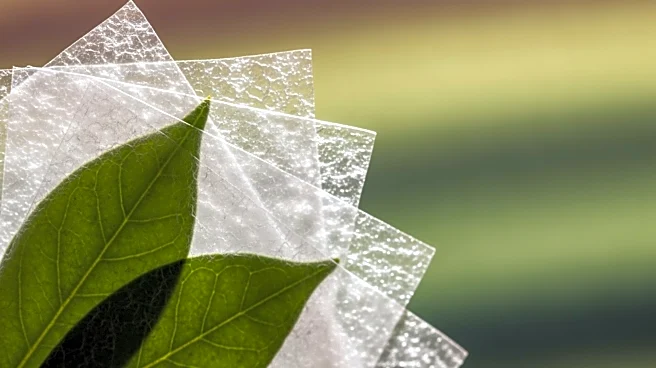

Polyhydroxyalkanoates (PHAs) are a fascinating group of polyesters produced by microorganisms. These biopolymers have gained significant attention due to their potential in creating biodegradable plastics.
As the world grapples with plastic pollution, PHAs offer a promising alternative to traditional petrochemical-based plastics. This article delves into the properties and applications of PHAs, highlighting their role in the development of sustainable materials.
Understanding Polyhydroxyalkanoates
PHAs are naturally occurring polyesters synthesized by various microorganisms through the fermentation of sugars or lipids. These microorganisms use PHAs as a form of energy storage, particularly under conditions of nutrient limitation. The versatility of PHAs is evident in the more than 150 different monomers that can be combined to produce materials with diverse properties. This adaptability makes PHAs suitable for a wide range of applications, from packaging to medical devices.
One of the key advantages of PHAs is their biodegradability. Unlike conventional plastics, which persist in the environment for hundreds of years, PHAs can be broken down by microorganisms, reducing their environmental impact. This property is particularly important in the context of the growing concern over plastic waste and its detrimental effects on ecosystems.
Industrial Production and Applications
The industrial production of PHAs involves the extraction and purification of the polyester from bacterial cells. This process can utilize various raw materials, including glucose, sucrose, and vegetable oils. The resulting PHAs can be processed using conventional plastic manufacturing techniques, such as injection molding and extrusion, to create a variety of products.
PHAs have found applications in several industries due to their unique properties. In the medical field, PHAs are used to produce biodegradable sutures, bone plates, and other implants. Their biocompatibility and ability to degrade within the body make them ideal for temporary medical devices. Additionally, PHAs are being explored for use in packaging materials, where their biodegradability can help reduce plastic waste.
Challenges and Future Prospects
Despite their potential, the widespread adoption of PHAs faces several challenges. One of the primary obstacles is the cost of production, which remains higher than that of traditional plastics. However, ongoing research aims to improve the efficiency of PHA production processes and reduce costs. Advances in genetic engineering and fermentation technology hold promise for making PHAs more economically viable.
The future of PHAs looks promising as the demand for sustainable materials continues to grow. With increasing awareness of environmental issues, industries are seeking alternatives to conventional plastics. PHAs, with their biodegradability and versatility, are well-positioned to play a significant role in the transition to a more sustainable future. As research and development efforts continue, PHAs may become a cornerstone of the green economy, offering a viable solution to the global plastic pollution crisis.