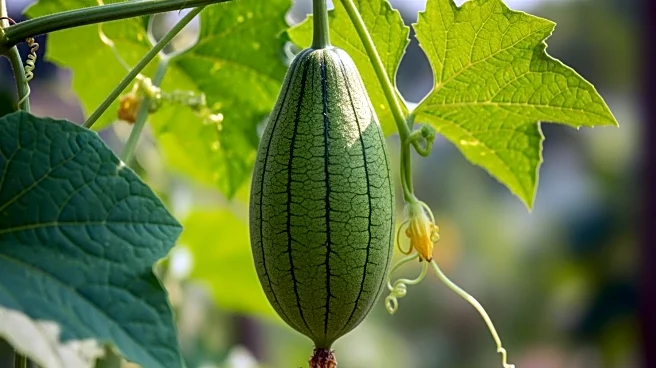




Loofahs, widely used for exfoliating and cleansing the skin, originate from the luffa plant, a member of the cucumber family. This tropical and subtropical vine produces gourds that, when dried, become the familiar spongy material used in showers worldwide. This article explores the journey of the luffa plant from its growth to its transformation into a loofah, highlighting its natural properties and uses.
The Growth and Harvesting of Luffa
The luffa plant thrives in warm climates,
where it grows as a vine producing elongated gourds. These gourds are part of the Cucurbitaceae family, which also includes pumpkins and cucumbers. To be used as a loofah, the luffa gourd must mature fully, allowing its fibers to dry out and form a fibrous network.
Once the gourd reaches maturity, it is harvested and left to dry. During this drying process, the outer skin and seeds are removed, leaving behind the fibrous skeleton. This natural structure is what gives the loofah its unique texture, ideal for exfoliating the skin.
From Gourd to Exfoliating Tool
After the luffa gourd is dried and cleaned, it is sliced and shaped into the familiar loofah sponges. These sponges are valued for their ability to gently scrub away dead skin cells, promoting a smoother and more radiant complexion. The natural fibers of the loofah provide a gentle yet effective exfoliation, making them suitable for various skin types.
In addition to their exfoliating properties, loofahs are also effective at spreading soap and stimulating blood circulation. This dual function makes them a popular choice for those looking to enhance their bathing routine with a natural and sustainable product.
The Environmental Impact of Loofahs
One of the significant advantages of using loofahs is their environmental friendliness. As a product derived from a plant, loofahs are biodegradable and free from synthetic materials. This makes them an excellent choice for individuals seeking to reduce their environmental footprint.
Moreover, the cultivation of luffa plants supports sustainable agricultural practices. By choosing loofahs over synthetic sponges, consumers can contribute to a more eco-friendly lifestyle, supporting the use of renewable resources.
In conclusion, the luffa plant offers a natural and effective solution for skin exfoliation. From its growth as a vine to its transformation into a loofah, this plant provides a sustainable alternative to synthetic exfoliating tools. By understanding the origins and benefits of loofahs, individuals can make informed choices that benefit both their skin and the environment.