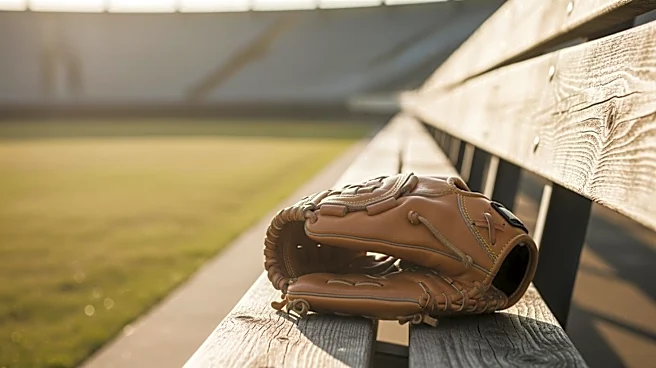






Seals Stadium, a notable landmark in San Francisco's sporting history, opened its doors in 1931 and served as a hub for baseball enthusiasts until its demolition in 1959. This stadium was not only a venue for thrilling baseball games but also a symbol of the city's vibrant sports culture. From hosting minor league teams to becoming the temporary home of the San Francisco Giants, Seals Stadium played a pivotal role in the evolution of baseball in the region.
The Early Years
Seals Stadium was constructed in the Mission District of San Francisco, opening on April 7, 1931, with a construction cost of $1.25 million. It was built during the Great Depression, a time when jobs were scarce, and the stadium's construction provided much-needed employment. The stadium was named after its primary tenant, the San Francisco Seals, a team in the Pacific Coast League. The Mission Reds, another team in the league, shared the stadium with the Seals until 1937.
The stadium was uniquely designed with three dressing rooms to accommodate its two home teams and visiting teams. It featured six tower banks for lighting, which were considered the best in minor league baseball at the time. The grandstands were uncovered, allowing fans to enjoy the sunny San Francisco weather during games.
Transition to Major League
In 1958, Seals Stadium became the temporary home for the San Francisco Giants, marking a significant transition from minor league to major league baseball. The Giants played at Seals Stadium while Candlestick Park was under construction. This period was crucial as it marked the beginning of major league baseball in San Francisco, with the Giants drawing large crowds and increasing the stadium's prominence.
The stadium underwent modifications to accommodate the major league games, including additional seating in left field. Despite its temporary status, Seals Stadium was not renamed, maintaining its historical identity. The Giants' presence at Seals Stadium was a testament to the city's growing importance in the baseball world.
Demolition and Legacy
Seals Stadium was demolished in late 1959 after the completion of Candlestick Park. The site initially housed a White Front department store and later became home to several automobile dealerships. Today, the area is a shopping center, but the legacy of Seals Stadium lives on.
The stadium's historical significance is commemorated by the San Francisco Giants, who paid tribute to its 50th anniversary in 2008. A ceremony was held at the site, and a bronze plaque was unveiled to honor the stadium's contribution to baseball history. Seals Stadium remains a cherished memory for those who experienced its vibrant atmosphere and thrilling games.