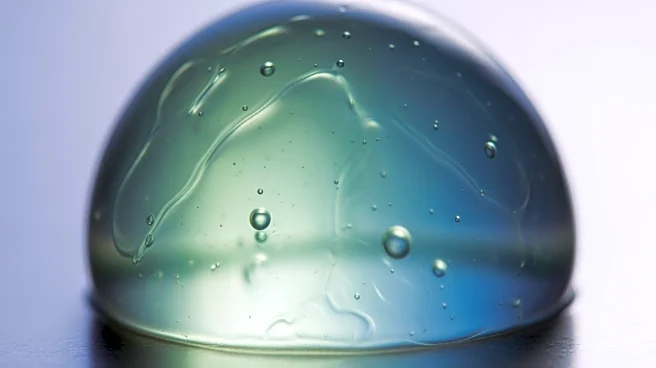




Hydrogels are a remarkable type of gel known for their high water content and flexibility. These polymeric networks are used in a variety of applications, from medical to industrial, due to their unique properties. Understanding the composition and behavior of hydrogels can shed light on their versatility and potential uses.
Composition and Structure
Hydrogels are composed of hydrophilic polymer chains held together by cross-links, resulting in a three-dimensional solid structure.
Despite their high water content, hydrogels maintain structural integrity due to these cross-links. This makes them highly absorbent, capable of containing over 90% water.
The flexibility of hydrogels is similar to natural tissue, which is why they are often used in medical applications. Their ability to encapsulate chemical systems allows them to respond to external stimuli, such as changes in pH, and release specific compounds. This responsive behavior makes hydrogels ideal for drug delivery systems.
Applications in Medicine
In the medical field, hydrogels are used for a variety of purposes, including tissue engineering and wound care. Their biocompatibility and ability to mimic natural tissue properties make them suitable for synthetic tissue models and temporary implants. Researchers are actively developing hydrogels for cartilage replacement and nucleus pulposus replacement.
Hydrogels are also used in contact lenses and drug delivery systems. Their ability to absorb and retain moisture makes them comfortable for extended wear. In drug delivery, hydrogels can be engineered to release medication at controlled rates, improving treatment efficacy and patient compliance.
Industrial and Environmental Uses
Beyond medicine, hydrogels have applications in agriculture and environmental management. Their water retention capabilities make them useful in soil conditioning, helping to maintain moisture levels and improve plant growth. In environmental management, hydrogels are used to clean up oil spills and other contaminants due to their absorbent nature.
The versatility of hydrogels extends to the food industry, where they are used as thickeners and stabilizers. Their ability to form gels with various liquids makes them ideal for creating textures in food products. As smart materials, hydrogels continue to find new applications in diverse fields, driven by ongoing research and development.