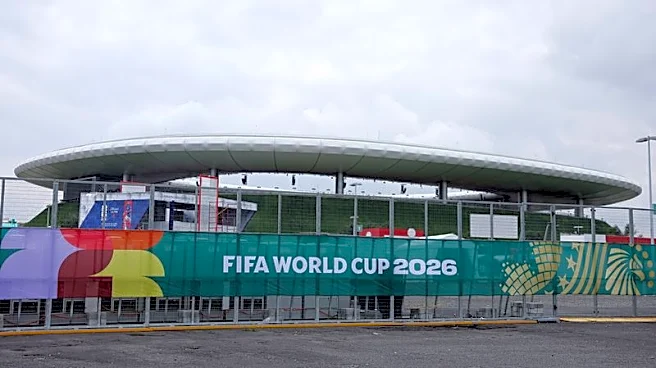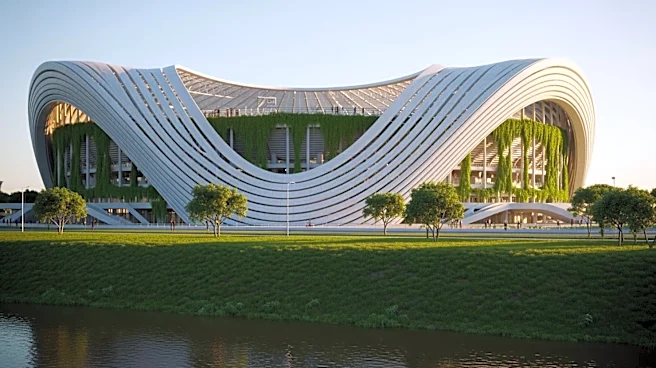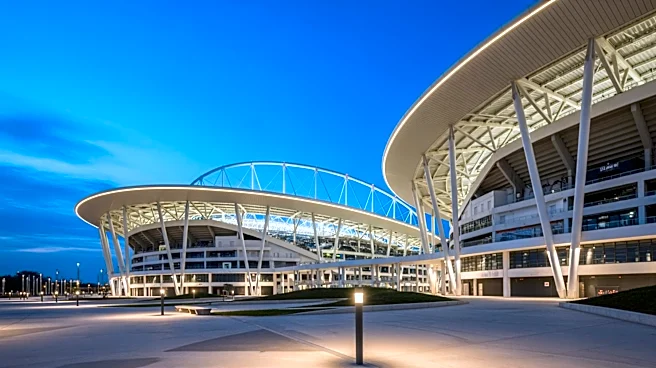







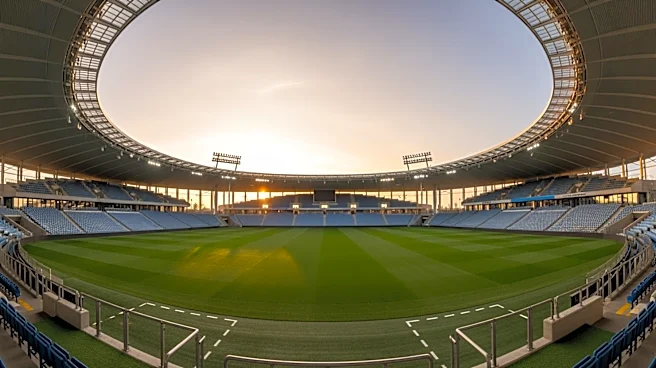

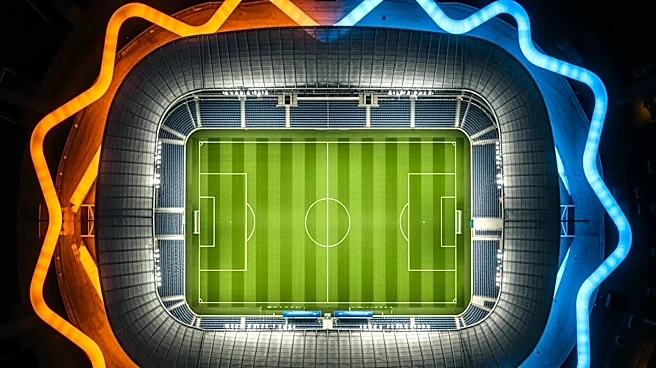
Daejeon World Cup Stadium, also known as the Purple Arena, stands as a testament to modern architectural ingenuity in South Korea. Built to host matches during the 2002 FIFA World Cup, this stadium is not just a sports venue but a symbol of structural dynamism and economic efficiency. With a seating capacity of 40,535, it continues to serve as the home ground for Daejeon Hana Citizen FC.
Construction and Design
The construction of Daejeon World Cup Stadium began on December
18, 1998, and was completed by September 13, 2001. The project was undertaken by Yooshin Architects & Engineers Inc., who employed the Precast Concrete (PC) method. This approach was chosen for its construction and economic efficiency, allowing for a sophisticated design that eliminated unnecessary decorative elements. The stadium's design reflects a modern aesthetic, focusing on functionality and structural integrity.
The stadium's construction cost amounted to 143.9 billion South Korean won. This investment was part of a broader initiative to prepare South Korea for hosting the 2002 FIFA World Cup. The stadium's design and construction were pivotal in showcasing South Korea's capability to host international events, blending modern engineering with practical design.
A Multi-Purpose Venue
Originally built for the World Cup, the Daejeon World Cup Stadium was envisioned as more than just a football venue. Post-World Cup, plans were made to transform it into a multi-purpose sports park. This vision included a comprehensive sports center and facilities for commercial and cultural activities, making it a central hub in the region.
The stadium's location in Daejeon, a city known for its technological advancements, complements its role as a multi-purpose venue. The integration of sports, commerce, and culture within the stadium's vicinity highlights its importance beyond just hosting football matches. It serves as a community center, fostering local engagement and economic activity.
Legacy and Impact
Since its opening, Daejeon World Cup Stadium has played a significant role in the local sports scene. As the home of Daejeon Hana Citizen FC since 2002, it has become a focal point for football fans in the region. The stadium's presence has also contributed to the development of sports infrastructure in Daejeon, encouraging the growth of local talent and sports participation.
The stadium's legacy extends beyond sports. Its construction and continued use have had a lasting impact on the city's economy and cultural landscape. By hosting various events, it has attracted visitors and boosted local businesses. The Daejeon World Cup Stadium remains a symbol of the city's commitment to sports and community development, reflecting the broader aspirations of South Korea as a host of international events.