





Stand mixers have become an essential appliance in many kitchens, evolving significantly since their inception. These devices, known for their ability to mix doughs and batters with ease, have undergone numerous changes in design and functionality over the years. This article delves into the historical development of stand mixers, highlighting key milestones and technological advancements that have shaped their evolution.
Early Beginnings and Innovations
The journey of stand mixers
began in the mid-19th century with the invention of the first rotary egg beater by J.F. and E.P. Monroe in 1859. This hand-turned device laid the groundwork for future developments in mixing technology. The Dover Stamping Company capitalized on this innovation, producing the Dover egg beaters, which became a staple in American kitchens.
The introduction of electric motors marked a significant turning point in the evolution of mixers. In 1885, Rufus Eastman invented the first mixer with an electric motor, paving the way for more efficient and powerful mixing devices. The Hobart Manufacturing Company played a crucial role in this era, introducing large commercial mixers that became standard equipment in bakeries by 1915.
The Rise of Household Stand Mixers
The early 20th century saw the transition of mixers from commercial to household use. In 1919, Hobart introduced the KitchenAid Food Preparer, a stand mixer designed for home kitchens. This innovation brought the convenience of electric mixing to everyday consumers, making it easier to prepare a variety of recipes.
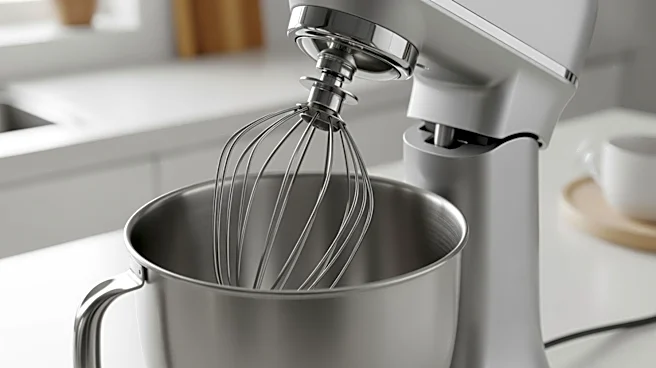
The Sunbeam Mixmaster, first produced in 1910, was another early household mixer that gained popularity. These mixers featured multiple attachments, such as wire whisks and dough hooks, allowing users to perform a range of tasks from whipping cream to kneading dough. The versatility and efficiency of these devices contributed to their widespread adoption in homes across America.
Modern Advancements and Features
Today, stand mixers are available in a variety of models, ranging from compact countertop versions to large-capacity commercial machines. Modern stand mixers are categorized as either spiral or planetary, based on their mixing action. Spiral mixers are ideal for dough, while planetary mixers offer versatility for a wide range of ingredients.
Technological advancements have led to the development of mixers with more powerful motors and additional features. Some models now include variable speed settings and timers, enhancing their functionality and user-friendliness. The continuous evolution of stand mixers reflects the ongoing demand for efficient and versatile kitchen appliances.
Stand mixers have come a long way since their early days as hand-cranked devices. Through continuous innovation and adaptation, they have become indispensable tools in both home and commercial kitchens, offering convenience and efficiency to cooks and bakers alike.