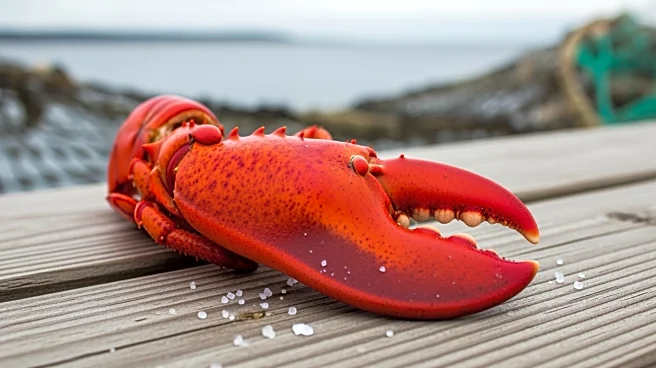




Lobster holds a special place in the culinary traditions of the Northeast United States, particularly in Maine. Known for its rich flavor and tender meat, lobster is often the centerpiece of festive gatherings and special occasions. This article delves into the cultural significance of lobster in this region, examining how it has become a symbol of local identity and a staple in regional cuisine.
Lobster as a Culinary Tradition
In the Northeast U.S., lobster is more than just a meal;
it is a cultural experience. Families often come together for clam bakes, where lobster is the star attraction. These events are typically held during the summer months and serve as a way to celebrate the region's maritime heritage. The preparation of lobster is a ritual in itself, involving boiling the crustacean with slight seasoning and serving it with drawn butter, baked potatoes, and corn on the cob. This traditional meal highlights the simplicity and freshness of local ingredients, emphasizing the natural flavors of the lobster.
Lobster's association with special occasions is deeply rooted in the culture of the Northeast. It is often served at weddings, family reunions, and other celebrations, symbolizing abundance and prosperity. The communal aspect of eating lobster, where diners crack open the shells and share stories, adds to its cultural significance, making it a cherished tradition passed down through generations.
Lobster's Role in Local Economy
The lobster industry is a vital part of the economy in the Northeast U.S., particularly in Maine. Lobster fishing provides employment for thousands of people and supports local businesses, from seafood markets to restaurants. The industry is not only a source of income but also a way of life for many coastal communities, where fishing traditions are handed down from one generation to the next.
Maine lobsters are renowned for their quality, and the state's reputation as a top lobster producer attracts tourists from all over the world. Visitors flock to the region to experience the unique taste of Maine lobster, boosting the local economy and promoting the state's culinary heritage. The lobster industry also plays a crucial role in environmental conservation, with sustainable fishing practices ensuring the long-term health of lobster populations.
Lobster as a Symbol of Regional Identity
Lobster has become a symbol of regional identity in the Northeast U.S., representing the area's maritime culture and natural bounty. It is featured prominently in local festivals and events, such as the Maine Lobster Festival, which celebrates the state's lobster industry and attracts visitors from across the globe. These events highlight the importance of lobster to the region's cultural and economic fabric, showcasing the pride locals have in their seafood heritage.
The image of the lobster is often used in branding and marketing, reinforcing its status as an iconic symbol of the Northeast. From souvenirs to restaurant menus, lobster imagery is ubiquitous, serving as a reminder of the region's rich culinary traditions and its connection to the sea. As a cultural icon, lobster embodies the spirit of the Northeast, reflecting its history, economy, and way of life.