




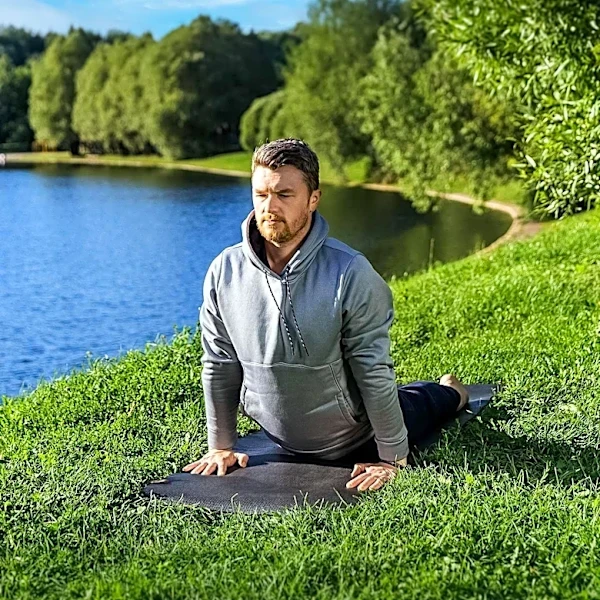



Calisthenics is a form of strength training that relies on an individual's body weight to perform exercises. This method of training is known for its versatility and accessibility, requiring little to no equipment. Calisthenics exercises are designed to improve strength, stability, and coordination through functional movements. This article explores the benefits of calisthenics and highlights some of the most common exercises practiced today.
Benefits of Calisthenics
One of
the primary advantages of calisthenics is its adaptability to different fitness levels and environments. Since it relies on body weight for resistance, calisthenics naturally adjusts to an individual's unique physical attributes, such as limb length and muscle-tendon insertion points. This makes it a personalized and accessible form of exercise for people of all ages and body types.
Calisthenics is also known for promoting functional and efficient movement patterns. The exercises engage multiple joints simultaneously, enhancing overall strength and stability. Additionally, calisthenics can increase bone density, improve core control, and reduce stiffness, contributing to better overall health and fitness.
Common Calisthenics Exercises
Calisthenics includes a wide range of exercises that target different muscle groups. Some of the most commonly performed exercises are push-ups, squats, and pull-ups. Push-ups are a fundamental exercise that trains the chest, shoulders, and triceps. They can be modified to suit different fitness levels, such as by performing them against a wall for beginners.
Squats are another versatile exercise that targets the quadriceps, hamstrings, calves, gluteal muscles, and core. They can be performed in various depths, from half to full squats, depending on the individual's fitness level. Pull-ups, which primarily train the lats and upper back muscles, are a staple in calisthenics routines and can be performed using different grips to vary the intensity.
Progression and Equipment
Progression in calisthenics involves gradually increasing the difficulty of exercises to achieve progressive overload. This can be done by changing rep ranges, sets, or body positions. For those looking to increase exercise difficulty or range of motion, equipment such as parallettes or gymnastic rings can be incorporated into routines.
Despite its simplicity, calisthenics offers a comprehensive workout that can be tailored to individual goals, whether they are focused on hypertrophy, strength, or endurance. Its emphasis on body control and functional movements makes it a valuable addition to any fitness regimen.
In conclusion, calisthenics is a versatile and effective form of bodyweight training that offers numerous benefits. Its ability to adapt to different fitness levels and environments makes it an ideal choice for anyone looking to improve their strength and overall fitness.