





Ustrasana, or Camel Pose, is a kneeling back-bending asana that plays a significant role in modern yoga practice. Known for its deep backward bend, Ustrasana requires a combination of strength, flexibility, and proper alignment. In this article, we will delve into the mechanics of Ustrasana, exploring its execution, variations, and the physical benefits it offers to practitioners.
Execution of Ustrasana
The execution of Ustrasana begins from a kneeling position. Practitioners
are instructed to place their knees hip-width apart and align their thighs perpendicular to the floor. The pose involves bending backward, with the hands reaching for the heels. This deep backward bend opens the chest and stretches the spine, promoting flexibility and strength.
Practitioners have the option to keep the backs of their feet flat on the floor or tuck their toes under. Tucking the toes can provide a slightly less intense backbend, making it a suitable option for those new to the pose. Throughout the execution, maintaining proper alignment and breath control is crucial to prevent strain and maximize the benefits of the pose.
Variations of Ustrasana
Ustrasana offers several variations to accommodate different levels of flexibility and experience. One popular variation is Ardha Ustrasana, or Half Camel Pose. This variation can take two forms: one with the hands on the hips, providing an easier modification, and another with one hand on the heel and the other arm stretched back over the head.
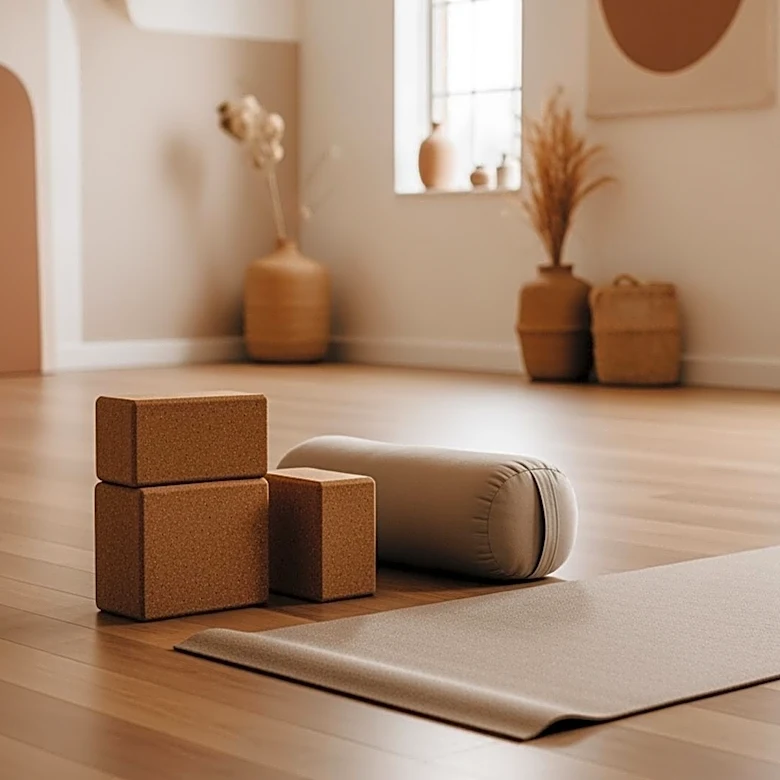
These variations allow practitioners to gradually build their flexibility and strength, making Ustrasana accessible to a wider range of individuals. Additionally, props such as yoga bricks can be used to support the hands, offering further modifications for those who may need them.
Physical Benefits
Practicing Ustrasana can offer numerous physical benefits. The deep backward bend helps to open the chest and stretch the spine, which can improve posture and increase flexibility. The pose also engages the core and back muscles, promoting strength and stability.
Furthermore, Ustrasana can aid in relieving tension in the shoulders and neck, areas that often carry stress in daily life. By focusing on breath control and alignment, practitioners can experience a sense of relaxation and release, enhancing the overall benefits of the pose.
In conclusion, Ustrasana is a versatile and beneficial asana that can be adapted to suit various levels of practice. By understanding its mechanics and variations, practitioners can safely and effectively incorporate this pose into their yoga routine.