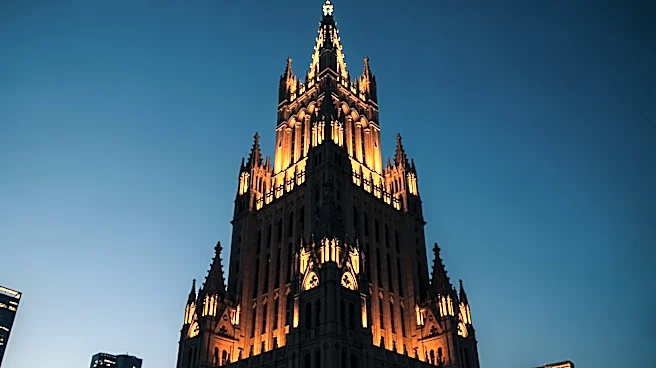







The Woolworth Building in New York City stands as a testament to architectural innovation and design. Completed in 1913, this skyscraper was designed by Cass Gilbert and was the tallest building in the world until 1930. Its neo-Gothic style and intricate details have made it a landmark in architectural history. This article delves into the architectural features that make the Woolworth Building a marvel.
Neo-Gothic Design
Cass Gilbert designed the Woolworth Building
in the neo-Gothic style, which was inspired by European Gothic cathedrals. The building was dubbed "The Cathedral of Commerce" due to its resemblance to religious structures. Gilbert incorporated 15th- and 16th-century Gothic ornamentation, creating a vertical emphasis that was uncommon in skyscrapers of the time. The facade is adorned with terracotta panels, which were chosen for their fireproof qualities and aesthetic appeal.
The building's crown is particularly noteworthy, featuring a pyramidal roof with ornamental tourelles at each corner. Originally gilt, the roof is now green, but it retains its intricate Gothic tracery. The choice of Gothic style was intended to express the verticality of the tower form, and Gilbert's design succeeded in creating a structure that was both graceful and imposing.
Structural Innovations
The Woolworth Building's construction involved several structural innovations. The steel frame allowed for thinner walls, maximizing interior space. Engineers Gunvald Aus and Kort Berle designed the frame to support the building's weight, with each column carrying a load of 24 short tons per square foot. The building's foundation is supported by massive caissons that descend to the bedrock, ensuring stability.
Wind bracing was a critical aspect of the design, with portal braces directing crosswinds downward. This engineering feat allowed the building to withstand the elements while maintaining its slender profile. The use of hollow-tile floors above the 28th floor expedited construction, especially during cold weather.
Interior and Amenities
The Woolworth Building's interior is as impressive as its exterior. The ornate lobby, known as the "arcade," features barrel-vaulted ceilings and veined marble from Greece. The lobby's decorations include glass mosaics and Gothic-style cornices, creating a spectacular entrance for visitors.
The building was equipped with modern amenities for its time, including a private swimming pool in the basement and a dedicated power plant. The elevators, supplied by Otis Elevator Company, were capable of high-speed travel, enhancing the building's functionality. These features contributed to the Woolworth Building's reputation as a cutting-edge structure.