



Babywearing, the practice of carrying a baby in a sling or carrier, has been a part of human culture for millennia. This age-old tradition has been embraced by various cultures around the world, each adding its unique touch to the practice. In recent decades, babywearing has gained renewed popularity in the industrialized world, partly due to the influence of attachment parenting advocates. This article delves into the historical and cultural significance
of babywearing, highlighting its evolution and enduring appeal.
Historical Roots of Babywearing
The history of babywearing is as old as humanity itself. As humans evolved to walk upright, the need to carry infants who could no longer cling to their mothers became apparent. This necessity led to the development of various on-the-body carriers, such as slings and backpacks, designed to support and secure the child while allowing the caregiver to remain mobile. Historical evidence of babywearing can be found in Egyptian artwork dating back to the time of the Pharaohs, showcasing the long-standing tradition of carrying children in slings.
In Europe, babywearing was known during medieval times, although it was primarily associated with marginalized groups like beggars and Romani people. Despite this, the practice persisted, and over time, it became more widely accepted and integrated into mainstream culture. The resurgence of babywearing in the 1960s and 1970s, with the introduction of structured soft packs and frame backpacks, marked a turning point in its modern history.
Cultural Variations in Babywearing
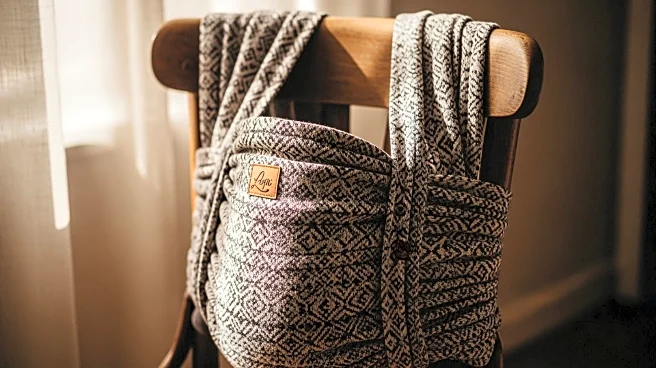
Different cultures have developed their unique methods and styles of babywearing, each reflecting their specific needs and traditions. In Korea, the podaegi is a traditional carrier featuring a large rectangle of fabric with long straps, used to secure the baby on the caregiver's back. This style has gained interest in the Western world, leading to new wrapping methods and adaptations.
Similarly, the Chinese mei tai, a square piece of cloth with straps, has been used for centuries and has recently gained popularity in the West. The mei tai's design allows for versatile carrying positions, making it suitable for both infants and older children. In Africa, the kitenge, a colorful piece of fabric, is often used as a baby sling, showcasing the vibrant cultural heritage of the region.
The Modern Revival of Babywearing
In recent decades, babywearing has experienced a revival in the industrialized world, driven by the principles of attachment parenting. Advocates of this parenting style emphasize the importance of forming strong bonds between parents and children, and babywearing is seen as a key component of this approach. The practice allows caregivers to keep their hands free while maintaining close contact with their child, promoting a sense of security and attachment.
The modern babywearing movement has also been influenced by the development of new carrier designs and materials. From stretchy wraps to soft structured carriers, the variety of options available today caters to different preferences and needs. This resurgence has not only made babywearing more accessible but has also highlighted its timeless appeal as a practical and nurturing way to care for infants.