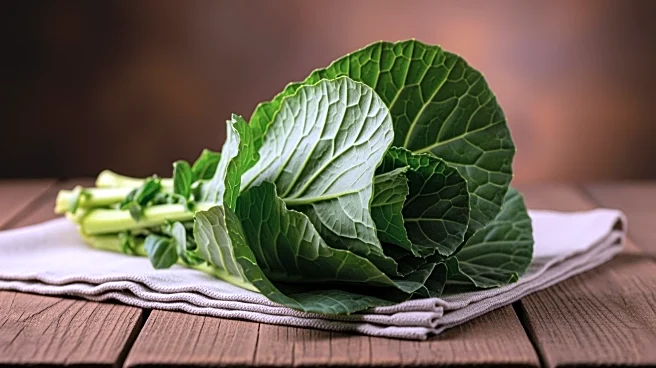

Collard greens, a leafy vegetable from the Brassica oleracea species, have a rich history that spans centuries. From their origins in classical antiquity to their prominent place in modern Southern U.S.
cuisine, collard greens have been a staple food crop with enduring popularity. This article explores the historical journey of collard greens, highlighting their cultivation and significance through the ages.
Ancient Origins and Early Cultivation
The cultivation of collard greens dates back to classical antiquity, where they were grown for their large, dark-green leaves. These greens are part of the acephala group, which includes kale, and have been a food source for centuries. The term "colewort" was used in medieval times to describe non-heading brassica crops, including collard greens.
Collard greens are believed to have originated in the Eastern Mediterranean region, where they were first cultivated. Over time, they spread to other parts of Europe and eventually to the Americas. Their ability to thrive in various climates and resist fungal diseases made them a reliable crop for many cultures.
Collard Greens in Southern U.S. Cuisine
Collard greens became a staple in Southern U.S. cuisine, where they are often prepared with smoked and salted meats, onions, and spices. This preparation reflects the resourcefulness of Southern cooking, utilizing available ingredients to create flavorful and nutritious dishes. The greens are traditionally eaten on New Year's Day, symbolizing wealth and prosperity for the coming year.
During the time of slavery in the United States, collard greens were commonly grown in kitchen gardens to supplement the limited rations provided by plantation owners. Their resilience in harsh weather conditions made them a vital food source for enslaved Africans, contributing to their cultural significance in African-American communities.
Modern Cultivation and Varieties
Today, collard greens are grown worldwide, with various cultivars developed to suit different climates and culinary preferences. Popular cultivars include 'Georgia Southern,' 'Vates,' and 'Morris Heading,' each offering unique flavors and textures. In the United States, the number of varieties decreased after World War II as people moved to urban areas, but efforts have been made to preserve and reintroduce diverse cultivars.
Collard greens are available year-round, but they are tastier and more nutritious in the colder months after the first frost. Their versatility in the kitchen and nutritional benefits continue to make them a popular choice for health-conscious individuals and culinary enthusiasts alike. As a symbol of cultural heritage and a nutritious food source, collard greens remain an integral part of both historical and modern cuisine.