


The quest to understand the meaning of life has been a central theme in human history, with religion and art playing significant roles in shaping our interpretations. While some argue that life’s meaning is elusive or subjective, many turn to religious beliefs and artistic expressions to find purpose and understanding. This article explores how religion and art contribute to defining the meaning of life, offering diverse perspectives and insights.
Religious Interpretations of Life’s Meaning
Religion has long been a source of answers to life’s most profound questions, including the meaning of existence. Many religions propose that life has a divine purpose, often linked to the will of a higher power or the pursuit of spiritual enlightenment. For believers, religious teachings provide a framework for understanding their place in the universe and the significance of their actions.
Religious narratives often emphasize themes of morality, redemption, and the afterlife, offering followers a sense of direction and hope. For instance, Christianity teaches that life’s purpose is to love and serve God, while Buddhism encourages the pursuit of enlightenment and liberation from suffering. These beliefs provide a sense of meaning and fulfillment, guiding individuals in their daily lives and offering comfort in times of uncertainty.
Art as a Reflection of Life’s Meaning
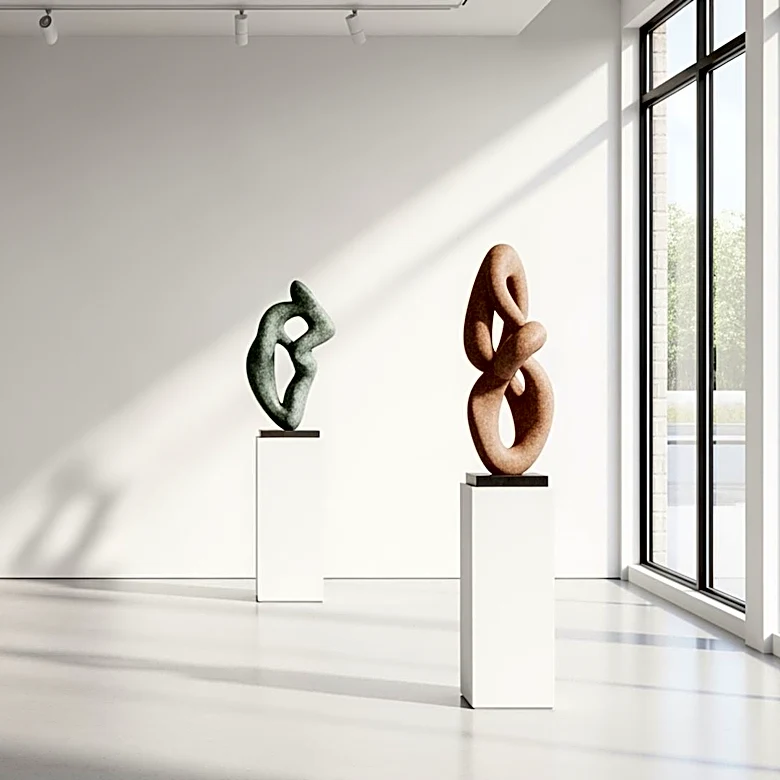
Art, like religion, serves as a powerful medium for exploring and expressing the meaning of life. Through various forms, such as painting, music, literature, and sculpture, artists convey their interpretations of existence, often reflecting on themes of love, loss, and the human condition. Art allows individuals to connect with their emotions and experiences, offering a unique lens through which to view the world.
Artists often grapple with existential questions, using their work to explore the complexities of life and the search for meaning. For example, literature and music can capture the nuances of human relationships, while visual art can evoke emotions and provoke thought. By engaging with art, individuals can gain new insights into their own lives and the broader human experience, finding meaning in the shared exploration of existence.
The Intersection of Religion and Art
Religion and art often intersect, with religious themes and symbols frequently appearing in artistic works. This intersection allows for a rich dialogue between spiritual beliefs and creative expression, offering new ways to understand and interpret life’s meaning. Religious art, such as sacred music or iconography, can inspire devotion and reflection, while contemporary art may challenge traditional beliefs and encourage new perspectives.
In conclusion, religion and art play vital roles in defining the meaning of life, offering diverse interpretations and insights. While religious beliefs provide a framework for understanding existence, art allows for personal exploration and expression. Together, they enrich our understanding of life’s purpose, offering guidance, inspiration, and a deeper connection to the human experience.