
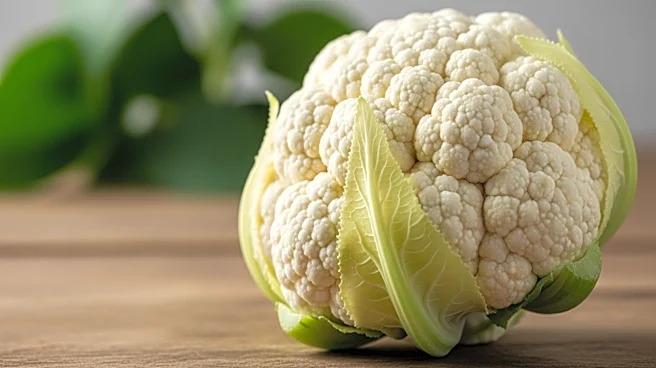

Cauliflower, a member of the Brassica oleracea species, is renowned for its unique appearance and nutritional benefits. But what gives cauliflower its distinctive traits? This article delves into the genetic and botanical aspects that contribute to cauliflower's characteristics, from its fractal patterns to its diverse color variations.
Genetic Foundations
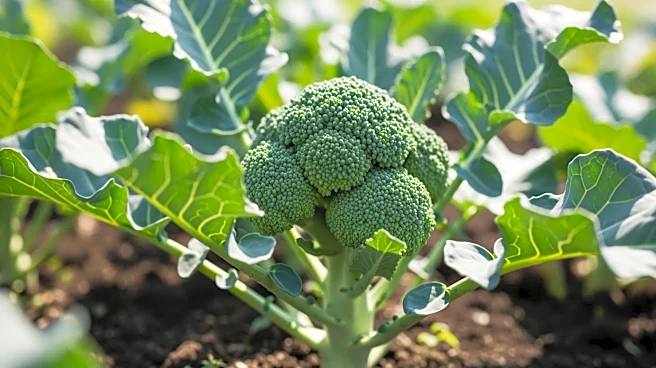
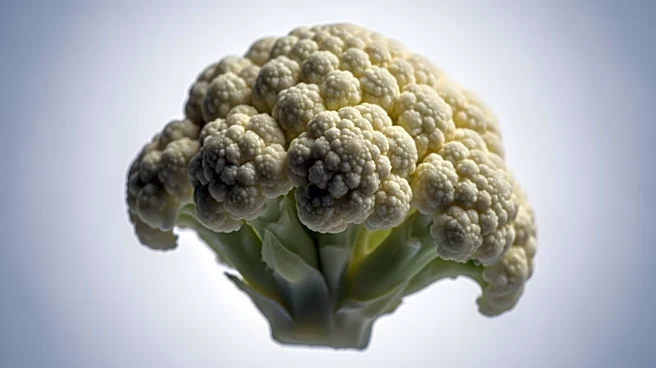
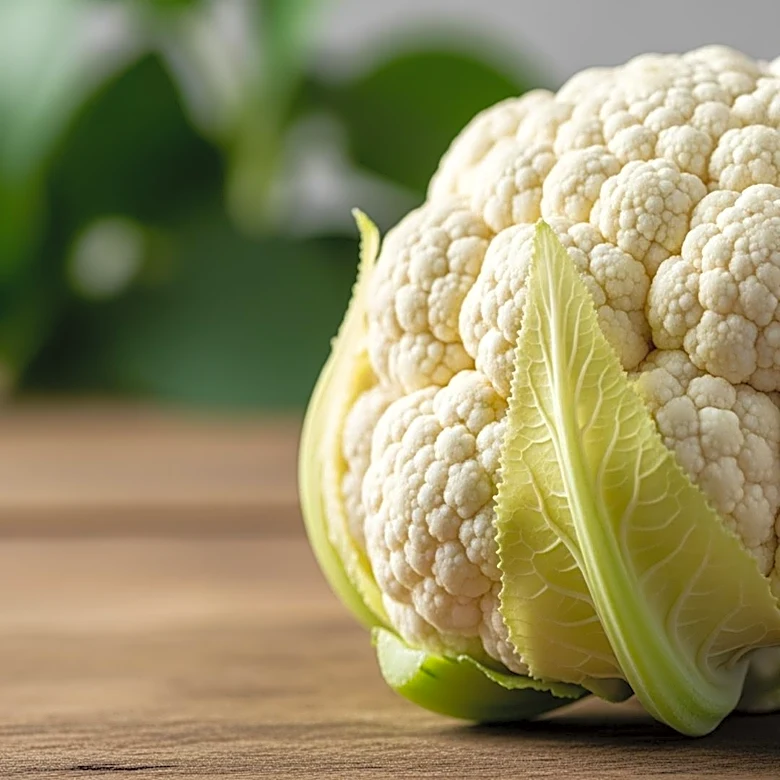
Cauliflower is an "arrested inflorescence" subspecies of Brassica oleracea, which means its flower development is halted
at an early stage, resulting in the dense head known as the "curd." This trait is a result of selective breeding over thousands of years, starting from wild cabbage. Genomic analysis reveals that cauliflower evolved from broccoli, with three MADS-box genes playing crucial roles in curd formation.
These genetic factors are responsible for the morphological and biological characteristics of cauliflower. Nine loci and candidate genes have been linked to these traits, highlighting the complexity of cauliflower's genetic makeup. This intricate genetic foundation is what allows for the development of various cauliflower cultivars, each with unique features.
Color Variations and Phytochemicals
While the most common cauliflower variety is white, it can also be found in green, orange, and purple hues. These color variations are not just for visual appeal; they are indicative of different phytochemical compositions. For instance, orange cauliflower contains higher levels of beta-carotene, a precursor to vitamin A, while purple cauliflower is rich in anthocyanins, antioxidants that may offer health benefits.
Cauliflower also contains non-nutrient phytochemicals common in the cabbage family, such as isothiocyanates and glucosinolates. These compounds are under preliminary research for their potential health properties. The presence of these phytochemicals contributes to cauliflower's reputation as a health-promoting vegetable.
Fractal Patterns and Mathematical Interest
One of the most fascinating aspects of cauliflower is its fractal nature, particularly evident in the Romanesco variety. The spiral curds of Romanesco cauliflower grow in fractal patterns, a feature that has captured the interest of mathematicians. The fractal dimension of cauliflower is calculated to be roughly 2.8, and its structure is characterized by self-similarity, where each branch resembles the entire cauliflower.
This fractal property is not only a visual marvel but also a testament to the complexity of natural forms. The angle between the "modules" of cauliflower, as they extend from the center, is 360 degrees divided by the golden ratio, further emphasizing its mathematical intrigue.
In summary, the unique traits of cauliflower are a result of its complex genetic makeup and botanical characteristics. From its diverse colors to its fractal patterns, cauliflower continues to be a subject of scientific and mathematical interest, offering both nutritional and intellectual nourishment.