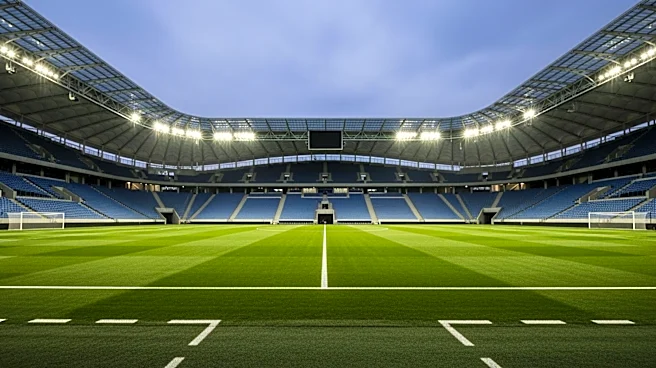

Denka Big Swan Stadium, located in Niigata, Japan, played a pivotal role during the 2002 FIFA World Cup. As one of the twenty venues selected for the tournament, it hosted three significant matches, showcasing
its capacity and facilities to a global audience. This article delves into the stadium's involvement in the World Cup, highlighting the matches it hosted and its impact on the event.
Hosting the World Cup Matches
Denka Big Swan Stadium was one of the key venues for the 2002 FIFA World Cup, hosting three matches that drew significant attention. The first match took place on June 1, 2002, between the Republic of Ireland and Cameroon, ending in a 1-1 draw. This Group E match attracted an attendance of 33,679 spectators, setting the stage for the stadium's role in the tournament.
The second match, held on June 3, 2002, featured Croatia against Mexico in a Group G encounter. Mexico emerged victorious with a 1-0 win, witnessed by 32,239 fans. The stadium's ability to accommodate such a large crowd demonstrated its readiness to host international events, further solidifying its reputation.
The Round of 16 Showdown
The most significant match hosted by Denka Big Swan Stadium during the World Cup was the Round of 16 clash between Denmark and England on June 15, 2002. England triumphed with a decisive 3-0 victory, advancing to the quarter-finals. This match drew the largest crowd of the three, with 40,582 attendees, showcasing the stadium's capacity to handle high-stakes games.
The successful hosting of these matches highlighted the stadium's modern facilities and infrastructure, which were crucial in accommodating the needs of players, officials, and fans alike. The stadium's design and amenities ensured a smooth experience for all involved, contributing to the overall success of the World Cup.
Legacy and Impact
The 2002 FIFA World Cup left a lasting legacy on Denka Big Swan Stadium and the city of Niigata. The event brought international attention to the stadium, elevating its status as a premier sports venue in Japan. The successful hosting of World Cup matches demonstrated the stadium's capability to handle large-scale events, paving the way for future international competitions.
Moreover, the World Cup boosted tourism and economic activity in Niigata, as fans from around the world visited the city to witness the matches. This influx of visitors provided a significant economic boost, benefiting local businesses and the community.
In conclusion, Denka Big Swan Stadium's role in the 2002 FIFA World Cup was a testament to its quality and capacity as a sports venue. The successful hosting of three matches not only showcased the stadium's capabilities but also left a lasting impact on Niigata, contributing to its growth and development as a city.